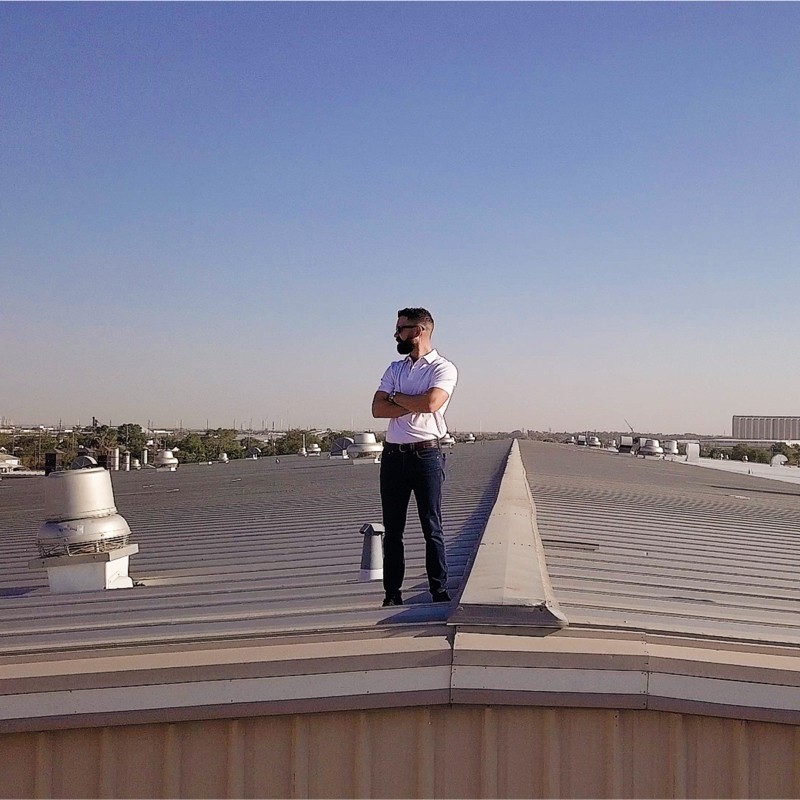

Your roof is one of the most important parts of your home, yet it’s often overlooked until a problem appears. Regular inspections help you spot small issues before they become costly repairs. One of our favorite ways to stay ahead is by doing seasonal checks. This method makes roof care easier to remember and ensures your roof is ready for whatever the weather brings. By learning how often you should inspect your roof and what signs to look for each season, you can protect your home, extend your roof’s lifespan, and avoid surprises. Keep reading to discover practical tips that will save you money, reduce stress, and give you peace of mind year-round, and you will get a clear idea about how often should you inspect your roof
Why Commercial Roof Inspections Matter in West Texas
Your roof is the one system standing between the weather and everything under it: inventory, tenants, equipment, and daily operations. Out here, that means hail, straight-line winds, blowing dust, and a UV load that ranks among the highest in the country. Over a few seasons, that exposure works on the seams, the flashing, and the membrane itself. Regular inspections let you:
- Catch a small leak before it reaches insulation and decking
- Clear drains before ponding water adds weight and stress
- Spot open seams, blisters, and splits while they are still minor
- Protect the commercial roofing materials you already paid for
- Keep repair costs predictable instead of writing an emergency check
The math backs this up. According to the National Roofing Contractors Association, a commercial roof kept on a regular maintenance schedule lasts around 21 years, while a neglected one averages closer to 13. That gap is eight years of roof you already own, lost to problems a routine look would have caught.
How Often Should You Inspect Your Commercial Roof?
The baseline is twice a year, once in spring and once in fall. Those windows let you check how the roof handled winter and get it ready for storm season. On top of that schedule, get up there after any major weather event. In our area that usually means hail or a high wind event, and the National Weather Service office in Lubbock is a reliable read on the storms worth acting on. Buildings with older membranes, heavy rooftop equipment, or steady foot traffic from other trades often move to quarterly checks. If you are not sure where your building falls, our page on commercial roof inspections walks through what a visit covers.
Seasonal Commercial Roof Inspection Guide
Spring Roof Inspection
Winter freeze and thaw is hard on a membrane. In spring, focus on:
- Splits or cracks in the membrane from cold contraction
- Open or lifting seams
- Flashing pulled loose around curbs, walls, and penetrations
- Drains and scuppers clogged with winter debris
- Interior stains that appeared over the cold months
A spring check confirms the roof is ready for hail season and summer downpours.
Summer Roof Inspection
Heat and UV are the real stress out here. During summer, look for:
- Membrane shrinkage pulling at seams and edges
- A coating that is chalking, thinning, or breaking down, which a fresh commercial roof coating can reset
- Ponding water that lingers more than 48 hours after a storm
- Soft or blistered spots underfoot
- Warped flashing around skylights and HVAC curbs
Handling these before the next storm keeps small issues from opening up.
Fall Roof Inspection
Fall is your setup for winter. Focus on:
- Clearing drains, scuppers, and gutters so water has somewhere to go
- Sealing gaps around penetrations and rooftop units before the first freeze
- Checking edge metal and coping for loose fasteners
- Documenting any repair areas left over from summer
Water that cannot drain is water that freezes, expands, and works its way into the assembly.
Winter Roof Check
You do not want anyone walking a cold, brittle membrane, so most winter checks happen from the ground and from inside. Watch for:
- Standing water freezing around drains
- Ice loading in low spots
- Interior leaks or stains on ceilings and walls
- Damage after an ice storm or wind event
If something looks off, call a professional rather than sending staff onto a slick roof.
Signs Your Commercial Roof Needs an Inspection Now
Some problems will not wait for the calendar. Get a look right away if you see:
- Water stains spreading on interior ceilings or walls
- Ponding water that never fully dries
- Blisters, splits, or bubbles in the membrane
- Flashing that has pulled away from walls or curbs
- Granules collecting at scupper outlets on a modified bitumen roof
- Loose or lifted edge metal after a wind event
These are the early roof warning signs that a small repair is about to become a large one.
In-House Checks vs. Professional Inspections
Your maintenance staff can handle a lot from the ground and the interior: watching for stains, confirming that drains run, noting anything that changed after a storm. What they cannot easily see is what is happening inside the assembly. A professional inspection adds:
- Infrared or moisture scanning that finds wet insulation before it spreads
- Seam and flashing probing that catches openings by feel
- A written report with photos you can hand to your insurer
- Safe access to areas that are dangerous to reach
Most building owners pair the two: quick in-house looks through the year, and a professional visit each spring and fall, plus a comprehensive roof report when they need full documentation.
How Inspections Protect Your Budget
Skipping inspections feels like saving money until the bill arrives. Catching a lifted seam is a service call. Missing it until water rots the decking is a tear-off. A few examples:
- Resealing a flashing detail costs a fraction of replacing saturated insulation
- Clearing a drain is cheap next to repairing water damage inside the building
- Sealing a small membrane split beats the price of a full commercial roof replacement
Every dollar spent on a scheduled look tends to save several on the work you avoid.
Extending the Life of Your Commercial Roof
Inspections do the detecting. These habits do the protecting:
- Keep drains, scuppers, and crickets clear so water moves off the roof
- Recoat on schedule to hold off UV breakdown
- Repair seams and flashing the moment they show wear
- Keep foot traffic and rooftop work controlled so the membrane is not abused
- Document every visit so you can track trends over time
Choosing the right system for the building matters too. Our breakdown of TPO vs EPDM roofing covers how the common membranes hold up in Texas heat, and these steps together are how you extend the lifespan of a commercial roof.
Final Thoughts
You do not need to guess how often to inspect your roof. Twice a year on a seasonal rhythm, plus a look after every serious storm, keeps you ahead of almost everything West Texas throws at a building. The goal is not just spotting damage. It is protecting what sits under the roof, keeping repair costs predictable, and getting the full life out of a system you already paid for. When you want a documented, professional set of eyes on your roof, call Core Commercial Roofing and Coatings at (806) 404-1250 to schedule an inspection.
FAQs
How often should a home roof be inspected?
The general rule for optimal maintenance is to inspect your roof at least twice a year, specifically during the spring and fall seasons. This biannual schedule prepares your structure for extreme weather, such as hot summers or icy winters, and helps catch vulnerabilities early. Additionally, industry leaders like Core Commercial Roofing & Coatings recommend performing a quick check immediately after any major storm to identify wind or hail damage before it leads to leaks.
What items should be on a spring roof inspection checklist?
A spring inspection is crucial for assessing how your roof held up against winter snow and ice. You should focus on identifying loose or missing shingles, checking for leaks around critical areas like chimneys and vents, and clearing debris from gutters to ensure proper drainage. It is also vital to examine attic spaces for damp insulation or water stains, as these are early indicators that your roof may not be ready for upcoming spring rains.
How can I identify sun damage on roof shingles?
During the summer, intense heat and UV radiation can cause significant stress to roofing materials. When inspecting for sun damage, look for shingles that are curling, blistering, or cracking, as well as algae or moss growth in shaded areas which can trap moisture. Professionals at Core Commercial Roofing & Coatings also suggest checking for warped flashing around skylights, as addressing these heat-related issues early prevents them from worsening under the summer sun.
Why is fall roof maintenance important for winter preparation?
Fall is the critical window to prepare your roof for the harsh conditions of winter by ensuring your drainage system is functioning perfectly. This involves clearing leaves and twigs from gutters and confirming that downspouts direct water away from the foundation to prevent ice dams. A thorough fall check allows you to fix cracks or loose edges in shingles, reducing the risk of leaks and expensive cold-weather damage.
How can I inspect my roof without climbing a ladder?
You can perform a safe and effective basic inspection from the ground using a pair of binoculars to scan for obvious issues. In the winter, specifically look for ice dams forming along edges, icicles indicating poor drainage, or heavy snow buildup that could strain the structure. While ground checks are safer, Core Commercial Roofing & Coatings advises calling a professional if you spot sagging spots or potential leaks, as they have the equipment to safely navigate icy or steep conditions.
What are the immediate signs of roof damage to look for?
Certain warning signs demand urgent attention regardless of the season, such as water stains appearing on ceilings or walls and daylight shining through attic boards. If you notice shingles that are cracked or missing, or see granules collecting in your gutters, the roof’s protective layer is compromised. Ignoring these symptoms can lead to costly structural repairs, which is why immediate assessment by experts like Core Commercial Roofing & Coatings is recommended to mitigate further loss.
What are the benefits of professional roof inspection vs DIY?
While a DIY inspection is useful for spotting visible debris or damage, professional inspections offer a deeper analysis of structural components, flashing, and underlayment that untrained eyes often miss. Hiring experts like those at Core Commercial Roofing & Coatings ensures you get a detailed written report, which is essential for insurance claims, and allows for the safe assessment of steep or high roofs that are dangerous for the average homeowner to access.
Do regular roof inspections actually save homeowners money?
Routine inspections are a financial investment that prevents minor issues from escalating into major, expensive repairs. For example, the cost of replacing a few missing shingles or clearing a gutter is negligible compared to the price of replacing rotted decking or fixing foundation damage caused by poor drainage. Catching problems like small leaks early stops mold development and interior damage, ultimately saving you thousands in emergency restoration costs.
What are the most important roof inspection safety tips?
Homeowners should prioritize safety by never climbing a roof when it is wet, icy, or covered in debris, as these conditions significantly increase slip hazards. If you must use a ladder, ensure you wear non-slip shoes, place the ladder on a stable surface, and always have a second person nearby to spot you. For steep inclines or difficult-to-reach areas, it is always safer to leave the climbing to certified professionals who have the proper safety gear.
How can maintenance extend the lifespan of an asphalt roof?
You can significantly extend your roof’s life by combining routine inspections with proactive maintenance such as cleaning gutters regularl and trimming overhanging tree branches that can scrape shingles. Ensuring your attic has proper ventilation is also critical to prevent heat and moisture buildup that rots decking from the inside out. Core Commercial Roofing & Coatings notes that scheduling professional maintenance to replace damaged shingles promptly keeps the home energy-efficient and delays the need for a full roof replacement.
What should be checked on a roof after a heavy storm?
After high winds, heavy rain, or hail, a specific storm inspection is necessary to find damage that seasonal checks might miss. You need to look for bruised shingles, dented vents, or debris that has impacted the roof surface, as these can create immediate entry points for water. A quick post-storm check allows you to act on hidden problems before they grow, ensuring the structural integrity of your home remains intact.