When hailstorms hit Lubbock, the damage isn’t always obvious. You might walk your property the next morning and think everything looks fine. However, hail damage on a commercial roof can hide in plain sight, and if left unaddressed, it can lead to costly problems, including leaks, mold, and structural decay. This guide helps property owners and managers in Lubbock understand what hail does to a commercial roof, how to spot signs of trouble, and what steps to take before the damage worsens. If you’re wondering whether your building took a hit during the last storm, this article walks you through everything you need to know.
Table of Contents
- 1. What Makes Lubbock Hailstorms So Dangerous?
- 2. Why Roof Damage Often Goes Unnoticed
- 3. What Hail Damage Looks Like on a Commercial Roof
- 4. The Hidden Costs of Ignoring Roof Damage
- 5. How to Inspect Your Roof Safely (Without Climbing Up)
- 6. Signs You May Have Hail Damage Inside Your Building
- 7. Why Time Matters: The Sooner You Act, the Better
- 8. Do You Need a Roof Replacement or Just Repairs?
- 9. What to Expect from a Professional Roof Inspection
- 10. Insurance Tips for Hail Damage Claims
- 11. Avoiding Storm Chasers: How to Pick the Right Local Help
- 12. Final Thoughts: Peace of Mind Starts with Awareness
- FAQs
1. What Makes Lubbock Hailstorms So Dangerous?
Lubbock sits in a part of the Southern Plains where large, fast-moving hailstorms are common in spring and early summer. Nationally, the most hail-prone corridor (where Nebraska, Colorado, and Wyoming meet) averages seven to nine hail days a year, and Texas ranks among the states that see the most total hail events. These storms can pass over a property in minutes, but the damage they leave on a roof membrane can take months or even years to surface if it’s never inspected.
Lubbock’s flat, open terrain doesn’t just give the city long sunsets, it also gives hail room to build speed and size before impact. That’s one reason even a roof installed within the last few years can come away with real damage after a single strong storm. If your building hasn’t had a post-storm check recently, it’s worth pairing this guide with our steps to prevent roof leaks so you know what to watch for between storms, too.
2. Why Roof Damage Often Goes Unnoticed
Most property managers don’t think about the roof until something’s leaking. But hail doesn’t always punch holes through a membrane or leave dents you can spot from the parking lot. On a low-slope commercial roof, it more often causes subtle bruising in a TPO or EPDM membrane, knocks granules loose on a modified bitumen surface, or works sealant loose around rooftop penetrations like HVAC curbs, vents, and skylights.
Even hailstones around an inch across, about the size of a quarter, are large enough to start that kind of damage. Quarter-size hail is actually the NOAA threshold where hail is classified as severe. On their own, those impacts don’t always break the surface. But UV exposure and the next few rain events do the rest, turning a small bruise or a thinned membrane spot into a real leak path.
If you’ve walked the roof after a storm and thought, “Looks fine to me,” you’re not alone. But on a commercial roof, looks are often deceiving, which is exactly why this kind of damage gets missed until it shows up as a tenant complaint or a stain on the ceiling tile below.
3. What Hail Damage Looks Like on a Commercial Roof
Here’s what to check for, even from a distance:
- Bruising or soft spots on TPO, PVC, or EPDM membrane, often felt more than seen
- Granule loss on modified bitumen or built-up roofing, exposing the asphalt layer underneath
- Dented or cracked HVAC curbs, vents, and rooftop unit housings, which signal hail impact on equipment as well as roof
- Dented gutters, downspouts, or metal coping
- Cracked or punctured skylights and roof hatches
- New ponding areas where granule loss or membrane thinning has changed how water drains
Inside the building, signs might include:
- Damp insulation or ceiling tiles
- Water stains spreading across a drop ceiling
- Musty smells or rising indoor humidity in upper floors
Not all of this shows up right away. Some signs take weeks or months to surface, which is part of why a same-day visual check isn’t enough on its own.
4. The Hidden Costs of Ignoring Roof Damage
Here’s what can happen when hail damage on a commercial roof goes unaddressed:
- Leaks and water intrusion into inventory, equipment, or finished space
- Rotting decking and structural damage to the roof deck itself
- Mold growth in insulation and ceiling cavities
- Higher energy bills as a compromised membrane lets conditioned air escape
- Shortened roof lifespan, even on a roof that still looks intact from the ground
- Business interruption if a leak forces you to close part of a space for repairs
What makes this worse is that insurance claims are time-sensitive. Wait too long, and an insurer can argue the damage came from ordinary wear rather than the storm, which makes a claim much harder to win even when the damage is real.
5. How to Inspect Your Roof Safely (Without Climbing Up)
You don’t need to get on the roof yourself to start assessing the situation. Here’s how to safely check things out first:
- Use binoculars from the ground or an adjacent building to look for obvious membrane damage or debris
- Walk the perimeter and check gutters, downspouts, and any ground-level metal trim for dents
- Check parked vehicles, rooftop equipment housings, or exterior signage for hail marks, since dents there usually mean the roof took hits too
- Look at ceiling tiles and upper-floor walls for water stains or damp smells
If anything looks off, call a professional. Climbing a steep, wet, or membrane-covered roof on your own carries real fall risk and can also void a roofing warranty if you damage the surface while inspecting it.
6. Signs You May Have Hail Damage Inside Your Building
Sometimes the first clue isn’t on the roof at all. Hail damage can show up indoors as:
- Water stains or discolored patches on ceiling tiles
- Peeling paint or bubbling near roof penetrations
- A sudden mildew or musty smell in upper-floor rooms
- Light flickering, if water has reached wiring near the roof deck
These problems can seem unrelated to weather at first, but they usually trace back to a hidden roof leak from storm damage that’s been sitting unaddressed for weeks.
7. Why Time Matters: The Sooner You Act, the Better
Here’s why waiting can cost you:
- Insurance policies often set their own notice and proof-of-loss deadlines that are shorter than people expect, sometimes far inside a year from the date of loss
- Damage compounds with every rain event or high-wind day after the storm
- It gets harder to prove the storm caused the damage the longer you wait to document it
- A delayed claim is far more likely to face a lowball offer or denial
According to the Texas Department of Insurance, the smart move is to report damage and file a claim as soon as possible after a storm, not after you’ve decided how bad it looks. A quick inspection today can prevent a much larger repair bill next season, and it puts a paper trail in place before anyone can argue about when the damage actually happened.
8. Do You Need a Roof Replacement or Just Repairs?
Not all hail damage on a commercial roof calls for a full replacement. Here’s a general breakdown:
| Damage Level | What It Looks Like | Likely Fix |
|---|---|---|
| Minor | A few bruised or granule-stripped areas | Spot repairs to the affected membrane sections |
| Moderate | Multiple damaged areas, isolated ponding | Sectional membrane replacement |
| Severe | Compromised decking, widespread leaks, damaged rooftop equipment | Full roof replacement |
The key is getting an honest inspection from someone who tells you what’s actually needed, not just what’s most expensive. Our commercial roofing inspection checklist walks through what a thorough inspection should cover before you commit to either option, and our comprehensive roof report gives you documented findings you can use for budgeting or for an insurance claim.
9. What to Expect from a Professional Roof Inspection
A thorough commercial roof inspection in Lubbock should include:
- A full walkaround of the entire roof, not just the areas visible from one access point
- Drone footage or direct access to document the whole surface, including areas around rooftop units and parapet walls
- Photos of every problem area, dated and organized for insurance or maintenance records
- A written inspection report you can hand to your insurance adjuster or keep on file
- A clear explanation of what’s urgent, what can wait, and what’s purely cosmetic
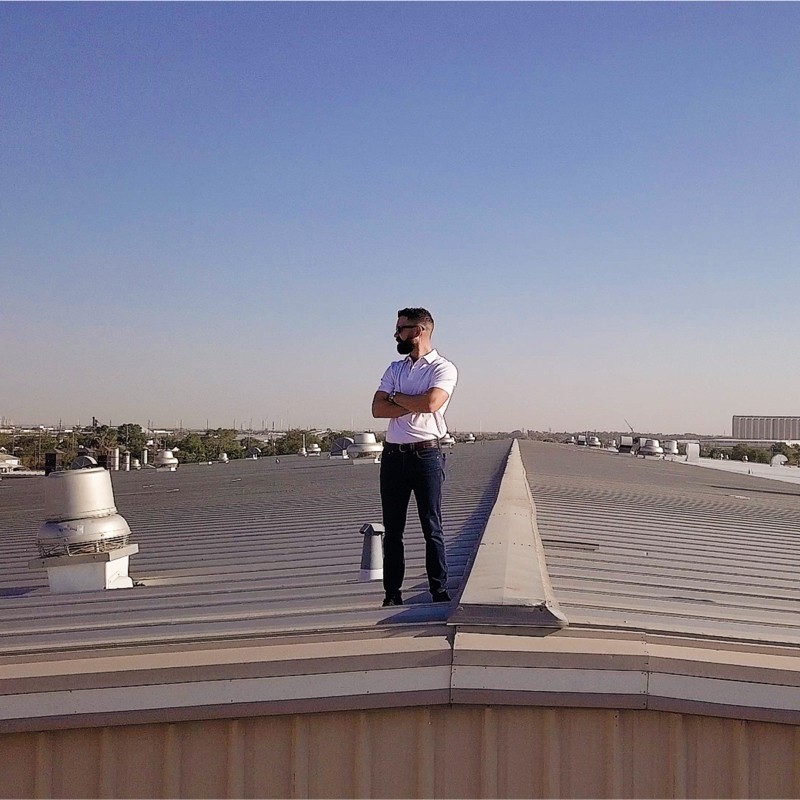
Most reputable local commercial roofers, including our team at Core Commercial Roofing, offer free inspections after a storm. We’ve walked roofs across Lubbock, Midland, and Amarillo where the membrane looked untouched from the parking lot but had bruising and granule loss across an entire section once we got eyes on it directly, which is exactly the gap a ground-level check can’t close on its own.
10. Insurance Tips for Hail Damage Claims
Here’s how to navigate the claims process on a commercial property:
- Document everything: photos and video of the damage as soon as it’s safe to access the roof
- Save storm records: local news coverage, radar data, or NWS storm reports showing the date and severity of the hail event
- Request a detailed inspection report from your roofer that itemizes every area of damage
- File promptly: don’t wait to see if the damage “gets worse” before reporting it
- Don’t rely solely on the adjuster’s first estimate: you can have your roofer meet the adjuster on-site to walk through the damage together
Also watch for lowball settlements. If the payout feels disconnected from what your inspection report documents, it’s worth getting a second opinion before you sign off.
11. Avoiding Storm Chasers: How to Pick the Right Local Help
After a hailstorm, Lubbock often sees an influx of out-of-town contractors, commonly called storm chasers. They move from city to city chasing insurance work. Some are legitimate, but many disappear before you can call them back for a warranty issue, which is a real problem on a commercial property where a failed repair can mean a much bigger leak later.
To avoid that outcome:
- Check local reviews and ratings, not just a sales pitch
- Verify licensing and insurance before any work begins
- Look for a Lubbock-based office, not a P.O. box or out-of-state address
- Ask for references from other local property owners or managers
- Watch for pressure tactics, like “sign now or lose the deal”
Trust is the deciding factor here. Choose a contractor with roots in your community, the kind who’ll still answer the phone two years after the job is done.
12. Final Thoughts: Peace of Mind Starts with Awareness
You don’t need to panic after a hailstorm, but you shouldn’t ignore it either. Lubbock weather is unpredictable, and your roof is your building’s first line of defense. Hidden hail damage can cost you more than money. It can affect tenant safety, business continuity, and the long-term lifespan of your roof system.
Start with awareness. Then take the next right step.
Even if you’re not sure whether your commercial roof has taken damage, a professional inspection can give you the clarity you need. From there, you’ll know exactly what your building needs, whether that’s a minor repair, a roof coating to extend its life, or the peace of mind that everything’s holding up the way it should.
FAQs
How do I check my Lubbock commercial roof for hail damage?
Start from the ground or an adjacent vantage point and use binoculars to look for membrane damage, dented vents or HVAC curbs, and debris in gutters. Check parked vehicles or rooftop equipment for hail marks, since damage there usually means the roof took hits too. If anything looks off, schedule a professional inspection.
What size hail damages Lubbock commercial roofs?
Hail around 1 inch in diameter, about the size of a quarter, is the point NOAA classifies as severe and can bruise membrane or strip granules. Hail 1.5 inches or larger can crack membrane, dent metal flashing, and damage rooftop equipment, especially on older or low-slope roofs.
Can hail roof damage hide under a membrane or shingle layer?
Yes. Hail often causes bruising or thinning that doesn’t show from a ground-level look. You might notice granules in the gutters or feel soft spots when walking the roof. Damage may not become a visible leak until weeks or months later.
Should I call my insurance company after a Lubbock hailstorm?
Yes. Most commercial property policies cover hail damage, but policy-level deadlines for reporting damage are often shorter than people expect. File as soon as you can, provide photos and an inspection report, and have your contractor available to meet the adjuster if needed.
How long do I have to file a hail claim in Texas?
There’s no single statewide deadline for filing the claim itself, it depends on your specific policy, but your insurer has firm response deadlines once you do file. Filing early protects you either way, since the longer you wait, the harder it is to prove the storm caused the damage rather than ordinary wear.
What are common signs of hidden roof leaks?
Look inside for brown stains or discoloration on ceiling tiles, damp insulation, musty smells, or rising indoor humidity near the top floor. Small membrane damage from hail can turn into a visible leak weeks after the storm that caused it.
Do I need a full roof replacement after hail in Lubbock?
Not always. A few bruised or granule-stripped areas may only need spot repairs. Widespread granule loss, structural issues, or multiple leak points usually point toward sectional or full replacement, best decided after a professional inspection documents the extent of the damage.
Who inspects hail damage on commercial roofs in Lubbock?
Look for a local, licensed, and insured commercial roofer with experience on low-slope systems. They should offer a free inspection, document findings with photos, and provide a written report you can use for insurance or budgeting purposes.
How do I avoid storm chaser roofers?
After hailstorms, out-of-town contractors often show up looking for quick work. Choose a Lubbock-based roofer: check reviews, verify a physical local office, confirm licensing and insurance, and walk away from anyone pushing you to sign immediately.
Can I spot hail damage by checking my parking lot or rooftop equipment?
Yes. Dents in vehicles, HVAC units, or exterior signage after a storm are a strong sign your roof took hits too. If you see that kind of damage around your Lubbock property, it’s worth scheduling a roof inspection even if the roof looks fine from below.
Core Editorial Team
This content is produced by the dedicated team of industry professionals at Core Commercial Roofing. Led by the company’s values of integrity and purpose, our team shares decades of collective expertise in building, managing, and executing commercial roofing projects to the highest standards. We are committed to providing you with reliable insights and actionable guides rooted in real-world experience, just as we build every lasting structure with quality and care.