Spring is when a commercial roof finally shows you what winter did to it. Months of freeze and thaw, wind, and shifting temperatures loosen seams and crack sealant, and the first warm rains find every weak spot at once. In a place like Lubbock, TX, where the weather turns fast, the damage often stays hidden until water is already inside the building. In this guide we share five spring roofing tips to help you catch and stop leaks before they turn into costly repairs. Whether you own a retail building, an office complex, or a warehouse in Lubbock or a nearby town like Wolfforth, Slaton, or Shallowater, this one is for you.
Why Spring Is Prime Leak Season
Spring is prime leak season because winter quietly weakens the roof and spring rain exposes the result. Freeze-thaw cycles crack sealant and pull flashing loose, and the first heavy storms drive water straight through those openings.
A small breach that costs a few hundred dollars to seal in March can become rotted decking, ruined insulation, and a five-figure repair by summer. Catching it early protects your roof structure, your indoor air, and your daily operations.
Finding spring leaks early means:
- Lower repair costs
- Longer roof life
- Better indoor air quality
- Less disruption to your business operations
Acting now protects your investment and avoids far more serious damage down the road. If a problem is already showing, our commercial roof repairs team can step in before it spreads.
1. Watch for Subtle Signs Inside the Building
The first signs of a spring roof leak usually show up inside the building, not on the roof. Watch for discolored ceiling tiles, peeling paint, musty odors, and uneven indoor temperatures, since these often appear well before any visible drip.
Spring is when these signs surface, because moisture that crept in over winter finally warms up and spreads. Here is what to look for:
- Discolored ceiling tiles: Brownish stains, especially around lights or vents.
- Peeling paint or wallpaper: Water behind a wall causes bubbling or flaking.
- Musty odors: A persistent damp smell often means hidden moisture.
- Uneven indoor temperatures: Wet insulation cannot do its job, so you get hot or cold spots.
If you notice any of these inside your building after the first spring storms, it is smart to investigate right away.
2. Inspect Roof Penetrations and Flashing Carefully
Most spring leaks start at penetrations, the spots where something passes through the roof surface. A winter of expansion and contraction cracks, rusts, or pulls the metal flashing loose, so that is where you inspect first once the weather breaks.
Common penetration points include:
- HVAC units
- Vent pipes
- Skylights
- Chimneys
- Drains
Tips for a quick spring check:
- Look for gaps, cracks, or curled edges around the flashing.
- Check for rust or corrosion that built up over winter.
- Inspect rubber gaskets for wear or brittleness.
Even a tiny break in the flashing lets spring rain work its way underneath. The curb where a rooftop unit sits is one of the most common and most misdiagnosed sources we run into, and we walk through it in detail in our guide on HVAC curb flashing leaks.
3. Pay Attention After Spring Rain or Storms
After every spring rain or wind event, inspect the roof even if it looks fine from the ground. Storms expose the leaks that stayed hidden through the dry winter, so check for loose materials, clogged drains, torn flashing, and standing water that lingers.
After a spring storm, check for:
- Loose or missing roofing materials
- Pooling water or clogged drains backed up with winter debris
- Torn or detached flashing
- Debris that could puncture the membrane
Standing water that does not drain within a day or two is a red flag worth acting on quickly, since ponding adds weight and speeds up membrane breakdown. For a broader rundown of what fails on Texas roofs, see our breakdown of the most common commercial roof issues.
4. Use Infrared Scanning Technology
Infrared scanning finds the moisture you cannot see by reading temperature differences across the roof. Wet insulation holds heat longer than dry insulation, so water trapped over winter shows up as warm spots on the scan, with no need to cut into the roof.
Why infrared scanning works so well in spring:
- Non-invasive: No need to tear up roofing materials.
- Fast: Large areas get scanned quickly.
- Accurate: It pinpoints the exact location of trapped moisture.
If you are serious about leak detection, working with a professional who offers thermal imaging is a smart move. We build it into our comprehensive roof report so you get a full moisture picture, not just a surface look.
5. Schedule a Professional Spring Inspection
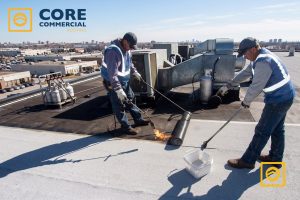
Schedule a professional roof inspection every spring, plus another in fall and a check after any major storm. A trained inspector catches the small problems winter left behind while they are still cheap to fix, long before they turn into a leak.

A good inspector knows exactly where to look and what to look for, and can flag minor issues before they become major repairs.
In West Texas, it is wise to schedule inspections:
- After hailstorms or heavy wind events
- Before and after the spring rainy season
- As part of your yearly maintenance plan
A modest spend on inspections routinely saves local businesses far more money over the life of the roof.
What Happens If You Ignore Spring Leaks?
Ignoring a small spring leak rarely stays small. Over time, trapped water rots wood, soaks insulation, feeds mold, and can reach wiring, turning a simple fix into a structural and safety problem that costs far more to undo.
Left alone, a hidden leak can cause:
- Mold growth, which affects air quality and health
- Rotted wood and a weakened roof structure
- Damaged insulation, which loses its R-value and drives up energy bills
- Electrical hazards if water reaches wiring
- Ruined ceilings, walls, floors, and equipment
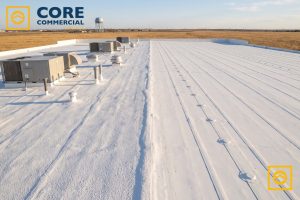
The cost of repairing hidden leak damage almost always exceeds the cost of early detection and a simple fix. Protecting your building means acting before the problem grows out of control. A reflective commercial roof coating is one way to seal minor cracks and add waterproofing before summer heat sets in.
Final Thoughts: Protect Your Investment
In a place like Lubbock, TX, where the weather can change in an instant, proactive spring roof care is not just smart, it is necessary. Hidden leaks quietly cause major damage while you are busy running your business.
By watching for subtle signs, inspecting roof penetrations, checking after storms, using infrared technology, and scheduling a spring inspection, you protect your building and your bottom line. When you need a hand, our professional commercial roofing services in Lubbock are your best ally.