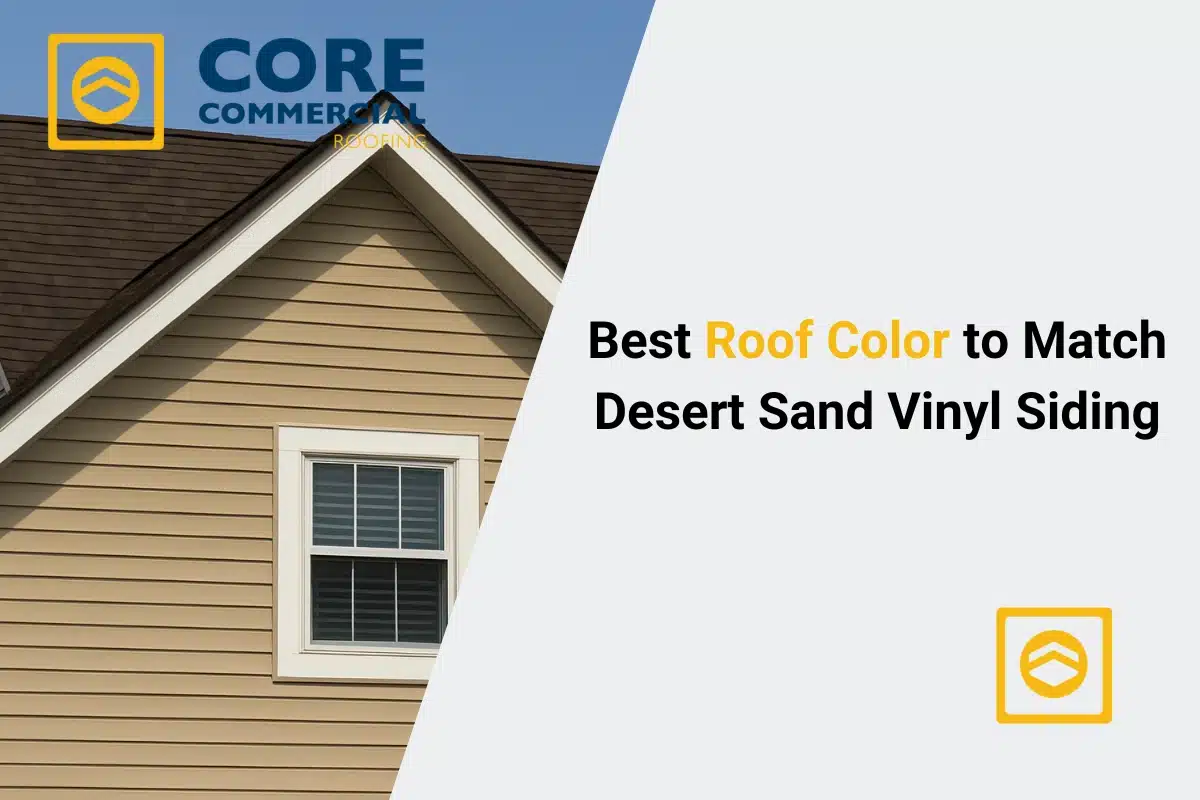
Choosing the right roof color is more than a matter of looks. It shapes your home’s curb appeal, its energy efficiency, and what it’s worth when you sell. If you have desert sand vinyl siding, getting the pairing right matters even more, since this warm, neutral tone only looks its best next to specific roof colors. In this guide, we’ll walk through the most complementary roof colors, how they hold up in hot, dry climates like ours here in West Texas, and which shades to avoid.
What Is Desert Sand Vinyl Siding?
Desert sand is a warm, soft beige with subtle tan undertones that works in both desert and suburban settings. Homeowners like it because it hides dust well, resists looking dirty, and fits modern, traditional, and farmhouse-style homes alike.
Its neutral tone still demands balance, though. Pair it with the wrong roof color and it can wash the whole exterior out or leave it looking flat, which is why getting the match right is worth the extra thought.
Why Roof Color Matters for Homes With Desert Sand Siding
Your roof is one of the largest visible surfaces on your home, so it carries a lot of the curb-appeal load from the street. When the color is off, even high-end siding like desert sand vinyl can look mismatched or dated. Get it right, and the whole exterior pulls together.
A good match does more than look nice. It supports resale value, and if you also choose reflective materials, it can trim your cooling bills too. For homeowners weighing a full exterior refresh, our residential and multi-family roofing services team can walk through material and color options together.
Best Roof Colors to Match Desert Sand Vinyl Siding
1. Dark Brown: Warm, Classic, and Inviting
Dark brown shingles work because they share the same warm undertone as desert sand siding, so the pairing feels grounded rather than clashing. It’s a classic, timeless choice that also hides dirt better than lighter shades.
Great for Craftsman, traditional, ranch, or Southwest-style homes.
2. Charcoal Gray: Sophisticated and Contemporary
Charcoal gray works because it’s a cooler, bolder contrast that sharpens the look of warm, neutral siding without feeling harsh. It’s a trend that’s held up well because it still reads as classic.
Great for modern, minimalist, or transitional home designs.
3. Weathered Wood: Natural and Timeless
Weathered wood works because its mixed gray, brown, and taupe tones blend with desert sand’s earthy base instead of contrasting against it, giving you a natural wood look with none of the upkeep.
Great for rustic, cabin-inspired, or country-style homes.
4. Light Tan or Taupe: Soft and Subtle
Light tan or taupe works because it sits just a shade or two darker than desert sand, keeping the whole home feeling bright and open rather than washed out.
Great for smaller homes, beach-style houses, or neighborhoods where a lighter palette is the norm.
5. Black: High Contrast for Bold Curb Appeal
Black works, especially in a matte or soft finish, because the deep contrast draws the eye upward and gives the whole exterior a bold, modern edge that’s popular in newer developments.
Great for urban, industrial, or high-contrast modern homes.
What Roof Colors to Avoid With Desert Sand Siding
Not every shade plays well with desert sand. A few to steer clear of:
- Green, especially moss or forest green, which tends to clash with beige or make it look dingy
- Blue, which reads too cool-toned next to a warm siding color and creates visual conflict
- Pure white, which often looks flat and bland rather than crisp against beige
- Bright reds or oranges, which can feel too aggressive against a soft, warm palette
Think Beyond Color: Other Roof Features That Matter
Shingle Texture
Desert sand vinyl siding is smooth, so architectural or dimensional shingles are worth considering for visual balance since their layers and shadow lines add depth the siding alone doesn’t have.
Roof Material
- Asphalt shingles: affordable and available in every color above
- Metal roofs: reflect heat well, but lighter shades like silver can look cold against desert sand
- Clay or concrete tile: a strong fit for southwestern homes, especially in brown or taupe
Reflective Properties
In hot, dry regions, light-reflecting “cool roof” shingles can meaningfully cut cooling costs, so it’s worth looking for Energy Star-certified options in whichever color you land on.
Climate Considerations: Desert vs. Temperate Regions
In a desert climate, lighter tones like taupe or weathered wood reflect more sunlight and heat, while dark roofs like black or charcoal absorb more of it, which can raise attic temperatures if your insulation isn’t solid. According to the Cool Roof Rating Council, a reflective “cool roof” typically cuts total cooling costs by 7 to 15 percent, a number worth factoring in before you commit to a dark shade.
Here in West Texas, that math matters more than most places. Lubbock, Midland, Odessa, and Amarillo all see long stretches of intense summer sun, so if you’re set on a darker roof color, pairing it with solid attic insulation and ventilation isn’t optional, it’s what keeps the color choice from costing you on your cooling bill. In milder, temperate climates, heat absorption is less of a concern, so darker, bolder colors like deep brown or charcoal are an easier call.
Tips for Choosing the Best Roof Color
- Use a roof visualizer tool. Shingle brands like GAF’s free roof visualizer tool let you upload a photo of your home and preview colors before you buy.
- Get large samples. Don’t rely on a brochure swatch. Request full-sized shingle samples and look at them outdoors in both sunlight and shade.
- Ask a local roofer. A roofer working in your specific neighborhood and climate knows what actually holds up and looks right locally.
- Check HOA rules. Some neighborhoods restrict roof colors, so get approval before you buy.
Choosing the best roof color for your desert sand vinyl siding doesn’t have to be complicated. Earth-toned or gently contrasting shades like dark brown, charcoal gray, weathered wood, or soft taupe complement it beautifully, support better energy efficiency, and keep your home looking timeless. If you’re still weighing your options, our team can walk your property and help you land on a color and material that fits both your home and our climate, starting with a full roof inspection.
A roof is something you’ll live with for 20 years or more, so take the time to sample, compare, and picture your home from the street. Get the match right, and your desert sand siding will finally get the spotlight it deserves. Not sure where to start? Browse our West Texas service areas to find the team closest to you.
FAQs
Best roof color for desert sand vinyl siding?
The top choices are dark brown, charcoal gray, weathered wood, soft taupe, or matte black. These warm, earthy tones or subtle contrasts make beige siding pop, improve curb appeal, and hold up well in desert climates.
Does a dark roof heat a home in the desert?
Yes. Dark roofs absorb more heat and can raise attic and home temperatures, so solid insulation and ventilation matter more with black or charcoal. Lighter tones like taupe or weathered wood run cooler.
Is a weathered wood roof good with beige siding?
Yes. Weathered wood’s multi-toned grays, browns, and taupes blend naturally with desert sand siding, giving you a timeless look that also hides dirt well in dry climates.
Does a charcoal roof look good on beige siding?
Yes. Charcoal gray creates a striking, modern contrast against beige siding, adding sophistication and boosting curb appeal without clashing, as long as your home’s style supports a bolder look.
Best shingle texture for a vinyl siding home?
Architectural or dimensional shingles pair best with smooth vinyl siding, since their texture and shadow play add depth that flat 3-tab shingles can’t.
Does a light tan roof work on desert sand siding?
Yes. A light tan or taupe roof sits just a shade or two darker than desert sand siding for a soft, unified, sun-kissed look, especially nice on smaller homes.
Can I use black shingles with beige siding?
Yes, especially in a matte or soft black finish. It creates bold contrast and strong curb appeal, but works best on homes with good insulation since black absorbs significant heat.
Does a green roof clash with desert sand siding?
Generally yes, particularly forest or moss green, which can read as dated against warm beige. If you want green, a muted sage tone is safer, but browns, grays, taupes, or black are the more reliable choice.
Should I use cool roof coatings on dark shingles?
Yes. Dark shingles absorb more heat, but reflective cool roof coatings can meaningfully lower surface temperature, which helps with energy efficiency and is a smart move in desert climates like West Texas.
Where can I sample roof colors before buying?
Always test full-sized samples outdoors in sunlight and shade. A visualizer tool and a conversation with a local roofer who knows your neighborhood’s style and climate will get you a far more reliable answer than a brochure.