Expert commercial roofing services with a quick, reliable inspection. Call Us Today! +1 806-404-1250

6 Best Waterproof Coating Products to Seal Texas Commercial Roofs

6 Waterproof Coating Products to Seal Texas Commercial Roofs

The Best Waterproof Coating Solutions for Texas Commercial Roofs

The best waterproof coating for a Texas commercial roof is the one matched to your deck type and your climate stress, not the one with the lowest price per gallon. Get that match right, and a single coat can seal the seams, stop the leaks, and add years to a roof you were ready to replace.

Commercial roofs face relentless abuse from sun, rain, wind, and hail. Without a waterproof barrier, those elements turn into leaks, higher energy bills, and damage that spreads fast. Whether you manage a warehouse, a retail strip, or an office building, keeping the roof sealed is essential, not optional.

But not all waterproof coatings are equal. Some shrug off ponding water, others are built for UV punishment, and a few do both. This guide breaks down six of the most effective products we put on West Texas roofs, starting with our top pick: commercial silicone coatings, known for ponding water protection and long-term durability. You will see which coating fits which roof, and how to make the call without wasting money.

Why Waterproofing Is Critical for Texas Commercial Roofs

Waterproofing matters in Texas because flat and low-slope roofs hold water, and standing water is what turns a small flaw into a failure. Heat opens the seams, the next storm fills them, and the leak shows up over your most expensive inventory.

Flat and low-slope roofs are the most exposed. They pool water, bake under UV, and lose their old sealant long before the building owner notices. Leave that unsealed and the building is open to mold and mildew inside, soaked insulation and stained ceilings, repair bills you cannot predict, and a roof that ages out years early.

A quality coating works like a shield. It seals out moisture, flexes through thermal swings, and protects the structure from the deck up. If the leaks have already started, commercial roof repairs come first, then the coating locks the fix in.

How to Choose the Right Roof Coating Product

The right coating comes down to five things: your roof type, its current condition, the local climate stress, how much foot traffic it sees, and your energy goals. Miss on any one of those and even a premium product can fail early.

Run your roof through this short checklist before you buy:

  • Roof type: Metal, built-up, TPO, EPDM, concrete, or modified bitumen
  • Roof condition: New, aging, or already leaking
  • Climate stress: UV intensity, rainfall frequency, and humidity
  • Usage: Heavy foot traffic versus limited rooftop access
  • Energy goals: Reflectivity and cooling savings

Choose the wrong product and you pay for it twice, once on the coating and again on the early redo. Match it right and the coating can add a decade or more of service life while pulling down your overhead.

6 Waterproof Coating Products That Work in Texas

1. Silicone Roof Coating

Silicone is the strongest waterproof coating for flat Texas roofs that hold ponding water, because it stays inert under standing moisture instead of breaking down. It is our default recommendation when drainage is the real problem.

Best for: Flat roofs with ponding water or relentless direct sun Why it works: Silicone resists standing water, UV, and extreme heat without degrading or chalking.

Benefits:

  • Stays flexible through Texas temperature swings
  • Reflects sunlight to cut rooftop heat
  • Holds up in low-drainage areas where other coatings rot

Problems it solves:

Note: The surface has to be cleaned thoroughly before application or the silicone will not bond.

2. Acrylic Roof Coating

Acrylic is the best value coating for sloped, well-draining roofs that need UV protection without a big budget. It goes on water-based, reflects hard, and keeps the building cooler through summer.

Best for: Low-slope roofs with good drainage that need affordable UV defense Why it works: Acrylic is cost-effective, easy to apply, and highly reflective.

Benefits:

  • Dries to a bright film that reflects a high share of the sun’s energy back off the roof
  • Water-based and low-odor
  • Trims summer cooling loads

Problems it solves:

  • UV breakdown on exposed surfaces
  • High interior temperatures
  • Minor leaks and surface wear

Note: Keep acrylic off roofs that pond. Standing water is its weak point.

3. Polyurethane Roof Coating

Polyurethane is the toughest coating for roofs that take physical abuse, from foot traffic to hail to rooftop equipment. When crews are up there every week, this is the one that survives.

CORE Commercial contact banner
Contact roofing company

Best for: Roofs with foot traffic, mounted equipment, or hail exposure. Why it works: It resists abrasion, impact, and the constant expansion and contraction Texas roofs go through.

Benefits:

  • Extremely durable under physical stress
  • Bonds strongly to aging surfaces
  • Built for industrial and manufacturing settings

Problems it solves:

  • Impact damage from tools or hail
  • Wear from maintenance traffic
  • Brittle, aging roof surfaces

Note: It is heavier and costs more than acrylic, but on a high-traffic roof it pays for itself.

4. Asphalt Emulsion Coating

Asphalt emulsion is the budget restoration layer for older built-up and multi-layer roofs that need waterproofing without a tear-off. It fills, seals, and buys an aging roof more time.

Best for: Older roofs or layered systems that need restoration, not replacement Why it works: It is a flexible, low-cost base coat with solid waterproofing.

Benefits:

  • Fills surface cracks and gaps
  • Restores roofs without a full tear-off, which pairs well with a planned commercial re-roof down the line
  • Economical across large square footage

Problems it solves:

  • Weathering on aging roofs
  • Seepage through tired seams
  • Water working into the structure

Note: It needs a reflective topcoat to last, since bare asphalt soaks up heat.

5. Butyl Rubber Coating

Butyl rubber is the go-to coating for metal roofs and storm-exposed buildings, because it stretches with the metal and grips the seams where leaks start. On a standing-seam deck, that elasticity is everything.

Best for: Metal roofs and buildings in coastal or storm-prone zones Why it works: Butyl has high elasticity and bonds tightly to metal and seams.

Benefits:

  • Excellent waterproofing at joints and fasteners
  • Guards against rust and corrosion
  • Strong adhesion on metal surfaces

Problems it solves:

  • Leaks at HVAC curbs
  • Seams pulling apart under thermal stress
  • Water intrusion on sloped metal decks

Note: Pair it with a reflective topcoat to make up for its lower UV resistance.

6. SEBS (Styrene-Ethylene-Butylene-Styrene) Roof Coating

SEBS is the right coating for roofs hit by grease, chemicals, or wild temperature swings, like the decks above restaurants and plants. It keeps its elasticity where other coatings soften and quit.

Best for: Commercial roofs with chemical exposure or extreme temperature cycling Why it works: SEBS performs in volatile, fluctuating conditions.

Benefits:

  • Long-term waterproofing
  • Resists grease, chemicals, and fumes
  • Stays elastic through hot and cold cycles

Problems it solves:

  • Coating breakdown near HVAC and kitchen vents
  • Joint failure in high-movement structures
  • Water getting in as materials shrink

Note: Have it installed by professionals so the adhesion and performance hold up.

Roof Types and Best Coating Matches

The fastest way to narrow your options is to start from the roof you already have. This table maps the most common Texas commercial decks to the coatings that perform best on them.

Roof Type Best Coating Options
Metal Butyl Rubber, SEBS
Built-up (BUR) Asphalt Emulsion, Polyurethane
Modified Bitumen Acrylic, Silicone
TPO / EPDM / PVC SEBS, Silicone
Concrete Polyurethane, Acrylic

Not sure whether you are looking at TPO or EPDM up there? Our guide on TPO vs EPDM roofing walks through how to tell them apart and which coatings suit each.

Benefits of Roof Coatings Beyond Waterproofing

Beyond stopping leaks, a good coating lowers your energy bills, stretches your roof’s life, and cuts your maintenance spend. The waterproofing is the headline. The savings are why owners keep recoating.

  • Lower energy bills: A reflective coating keeps the roof far cooler. The Department of Energy notes a conventional roof can hit 150°F on a summer afternoon, while a reflective surface stays more than 50°F cooler under the same sun
  • Longer roof life: Holding that heat down is part of why coatings can add a decade or more before you face a replacement
  • Maintenance savings: Fewer leaks mean fewer emergency calls
  • Less waste: Restoration keeps an old roof out of the landfill
  • Possible incentives: Some reflective coatings may qualify for energy-efficiency programs

How to Maximize the Lifespan of Roof Coatings

You get the full lifespan out of a coating through prep and timing, not the product alone. A premium coating over a dirty or wet deck fails just as fast as a cheap one.

For the best result:

  • Clean and fully dry the surface first
  • Repair any structural or substrate problems before coating
  • Prime metal and smooth membranes
  • Apply in dry weather, above 50°F
  • Schedule annual inspections and light cleaning

Building that upkeep into a routine is the whole point of our maintenance-friendly roof coatings guidance, and a yearly comprehensive roof report catches the small stuff before it spreads.

Signs It Is Time to Reseal Your Roof

Reseal the roof when you see blistering, chalking, soft spots, interior stains, or a cooling bill that keeps climbing. Any one of those means the existing seal is losing the fight.

Watch for:

  • Blistering or bubbling
  • Chalking or peeling on the surface
  • Soft spots or standing water that never drains
  • Interior leaks or moisture stains
  • Cooling costs creeping up month over month

Catch these early and a recoat handles it. Ignore them and you are back to a tear-off.

Local Conditions That Impact Roof Coating in Texas

Texas is too big for one coating to win everywhere, so the right pick shifts with where your building sits. The deck above a Gulf warehouse faces a different enemy than one baking in the West Texas sun.

  • Coastal zones: Salt air and wind-driven rain call for corrosion-resistant coatings
  • High-UV inland areas: Reflective coatings are non-negotiable in the hottest sun
  • Storm-prone areas: Flexible, ponding-resistant coatings ride out the sudden downpours

Match the product to the actual stress your building takes, not the statewide average.

Final Thoughts: Choose the Right Coating for Long-Term Protection

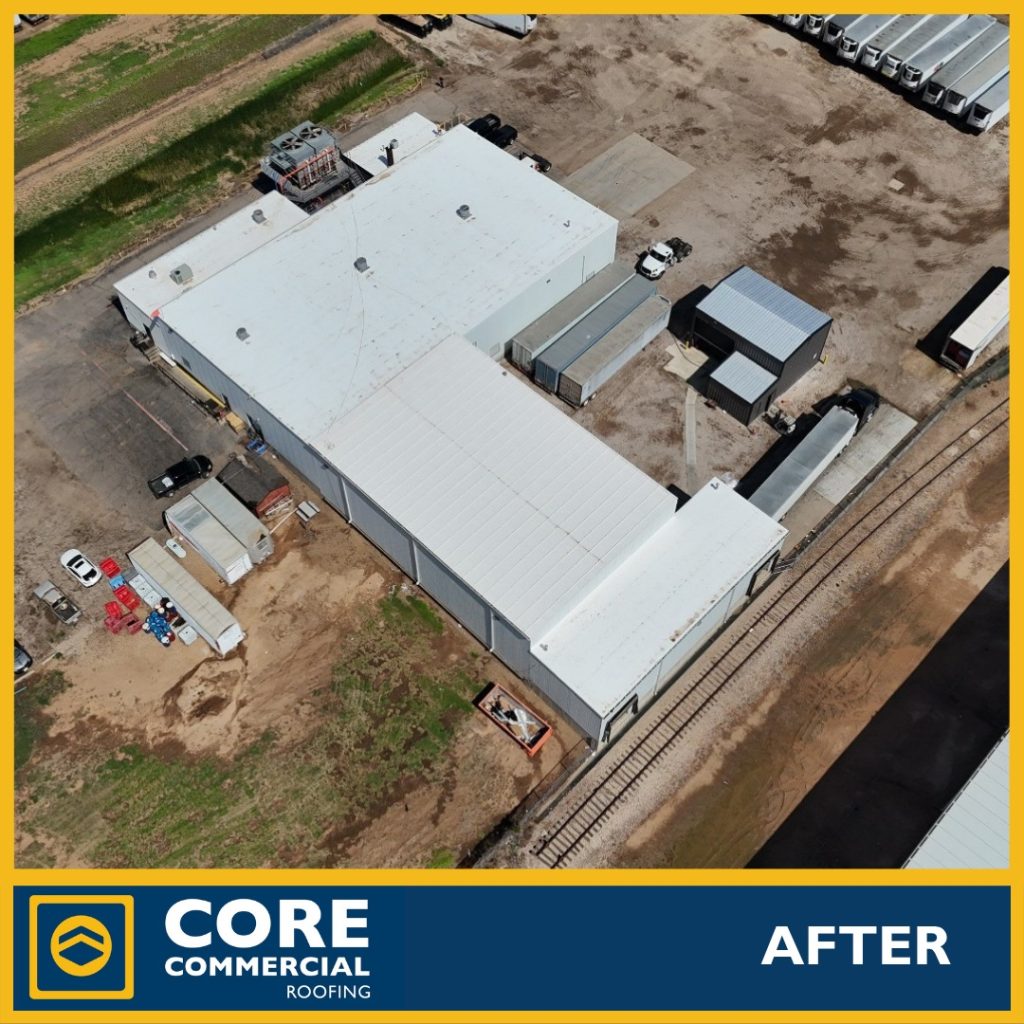
Choosing a waterproof roof coating is not only about stopping leaks. It is about energy efficiency, a longer roof life, and protecting your bottom line. Picked carefully and applied right, the right coating turns a tired commercial roof into a resilient barrier against sun, storms, and age, the way it did on this commercial roof coating project.

Partnering with Core Commercial Roofing & Coatings means you get the product matched to your building, not a one-size-fits-all guess. Do not wait for water stains or a spiking power bill. Seal the roof now and stay ahead of the next storm and the next heatwave.

FAQs

Which roof coating is best for flat roofs with standing water?

For flat roofs that experience ponding water, Silicone Roof Coating is the superior choice because it is inorganic and will not degrade or break down under standing moisture. Core Commercial Roofing & Coatings frequently recommends silicone for Texas flat roofs as it permanently seals seams and withstands the damaging effects of water accumulation better than acrylic alternatives.

Acrylic coatings are water-based, cost-effective, and excellent for UV reflection, making them ideal for sloped roofs with good drainage. However, they can degrade under standing water. Silicone coatings are solvent-free and offer robust waterproofing that resists ponding water, making them the preferred option for flat or low-slope roofs where drainage is a challenge.

Polyurethane Roof Coating is the best option for roofs that endure heavy foot traffic, equipment maintenance, or hail exposure. It offers exceptional tensile strength and abrasion resistance. This material creates a durable shell that protects the substrate from physical damage, making it ideal for industrial buildings or roofs housing heavy HVAC machinery.

Butyl Rubber Coating is highly effective for metal roofs, particularly in stopping leaks at seams, fasteners, and flashings where movement occurs. Core Commercial Roofing & Coatings utilizes butyl rubber for its extreme elongation and vapor-barrier properties, ensuring a watertight seal that flexes with the metal during thermal expansion and contraction.

Yes, reflective roof coatings can lower rooftop surface temperatures by up to 50°F, significantly reducing the heat transferred into the building. Core Commercial Roofing & Coatings notes that applying a high-albedo coating like acrylic or silicone can reduce air conditioning demand during Texas summers, leading to immediate energy cost savings and potential tax incentives.

SEBS (Styrene-Ethylene-Butylene-Styrene) coatings are the optimal choice for roofs exposed to grease, animal fats, or industrial chemicals, such as those above restaurants or manufacturing plants. Unlike other coatings that may soften or degrade when exposed to vents and exhaust, SEBS maintains its structural integrity and elasticity in chemically volatile environments.

Yes, Asphalt Emulsion Coating is specifically designed to restore aged asphalt, built-up roofing (BUR), and modified bitumen systems. It acts as a cost-effective leveling agent that fills cracks and “alligatoring” on the surface. While it provides excellent waterproofing, it typically requires a reflective topcoat to protect the dark asphalt from UV heat absorption.

Restoring a roof with a waterproof coating is often superior to replacement because it costs significantly less and generates no landfill waste. A proper restoration can extend a roof’s life by 10–20 years. Core Commercial Roofing & Coatings advises building owners to opt for restoration if the insulation is dry and the deck is sound, saving roughly 50-70% compared to a full tear-off.

A professionally applied commercial roof coating typically lasts between 10 and 20 years, depending on the material thickness and environmental stress. To ensure this longevity, Core Commercial Roofing & Coatings suggests a schedule of annual inspections and light cleaning to prevent debris buildup and catch minor surface damage before it compromises the waterproof seal.

Texas roofs often fail due to “thermal shock” – the rapid expansion and contraction caused by extreme heat followed by sudden cooling from rainstorms. This cycle tears seams and cracks flashings. Applying a flexible, elastomeric coating helps the roof absorb this movement without fracturing, protecting the building from the region’s intense UV radiation and unpredictable weather patterns.

Picture of Zac

Zac

CEO of Core Commercial Roofing & Coatings

A man of God, a devoted father, and a highly dedicated business owner, Zac leads Core Commercial Roofing & Coatings with unwavering integrity and purpose. His passion lies in not only building lasting structures but also in fostering strong teams, guided by his deep faith and commitment to family in every aspect of his professional life. He is an industry veteran who builds, manages, and executes commercial roofing projects to the highest standards.

More Posts

Send Us A Message

Article Page Lead
Call Us