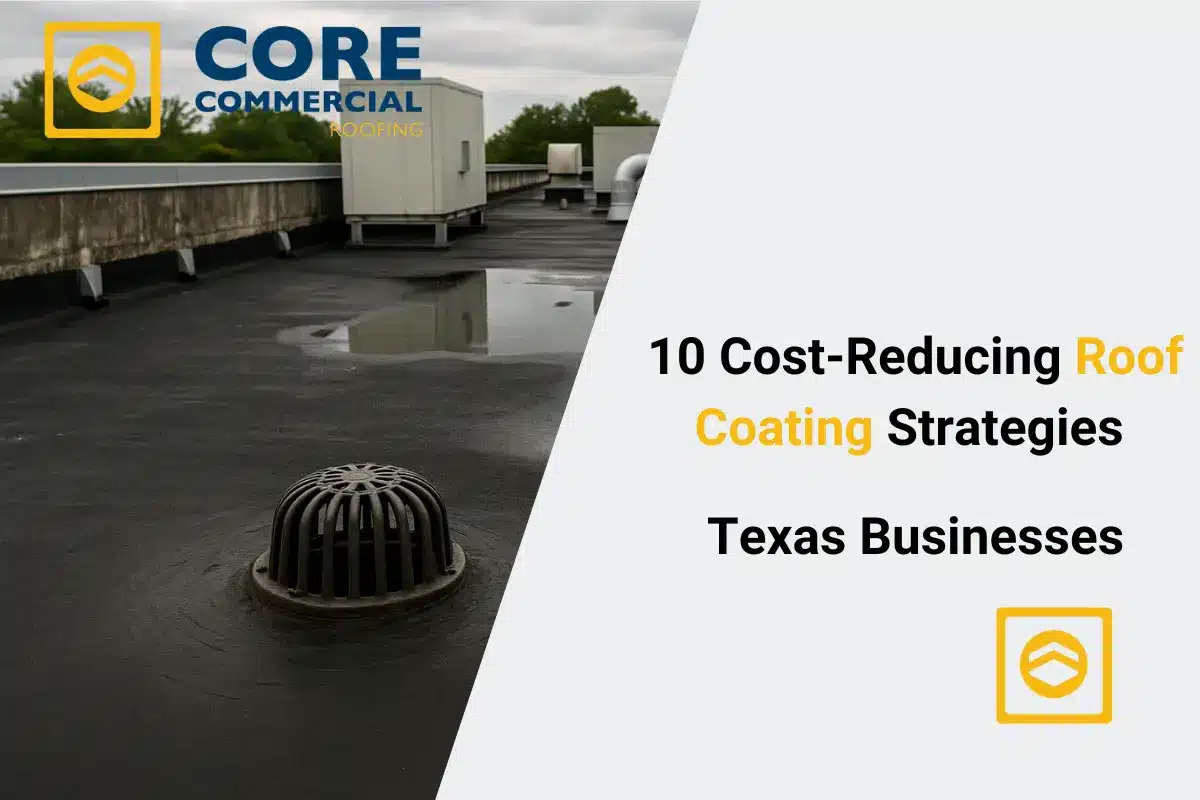
Texas commercial roofing systems face accelerated degradation due to high solar irradiance, extreme thermal cycling, and rapid humidity shifts. These environmental stressors compromise roof membrane integrity, leading to premature failure, water ingress, and elevated energy consumption. To mitigate these risks without the capital expenditure of a full replacement, roof coating systems serve as a critical asset preservation strategy.
By applying a reflective elastomeric coating, facility managers can create a seamless, monolithic barrier that enhances solar reflectance and thermal emittance. This process not only seals micro-fractures to prevent leaks but also significantly lowers rooftop surface temperatures, directly reducing HVAC loads and operational expenses.
This guide outlines 10 cost-reducing roof coating strategies specifically engineered for the Texas climate. From maximizing energy efficiency through cool roof technology to extending service life via scheduled maintenance, these methodologies provide actionable insights for optimizing your commercial roofing investment.
Table of Contents
What Makes Roof Coatings a Smart Investment in Texas
Texas weather creates ideal conditions for early roof failure. Scorching UV rays, frequent storms, and drastic temperature swings break down even the most durable roofing materials faster than most building owners expect. Many business owners assume roof replacement is the only answer once problems appear. But proven roof coating strategies offer a smarter, more cost-effective path before you ever consider a tear-off.
The right roof coating strategies work by adding a waterproof, UV-resistant layer directly over your existing roof system. This stops active leaks, lowers indoor temperatures, and shields the roof membrane from further weather-related breakdown. Better yet, these strategies typically cost a fraction of full replacement and when applied at the right time, can delay that replacement by a decade or more.
For Texas business owners focused on controlling costs and avoiding surprise roofing emergencies, implementing proactive roof coating strategies delivers both immediate and long-term financial returns. Lower energy bills, fewer repair calls, and an extended roof lifespan all add up. That is exactly why more Texas companies are making structured coating programs a central part of their building maintenance plans.
1. Elastomeric Roof Coatings: Stretch, Seal, and Save
Elastomeric roof coatings are one of the most flexible and reliable options out there. These coatings are designed to expand and contract with your roof as temperatures rise and fall, a crucial benefit in Texas, where days often shift from blazing hot to cool and breezy in just a few hours.
Elastomeric coatings seal small cracks, stop leaks, and reduce thermal shock (the damage that happens from rapid temperature changes). They form a rubber-like layer over your roof that holds up under tough weather.
Key benefits include:
- Waterproof seal for flat and low-slope roofs
- Reflective surface that reduces roof temperature by up to 30%
- Reduced HVAC usage, which means lower electric bills
- Prevents expansion-related cracks, cutting repair costs
This option offers one of the best returns on investment for commercial buildings looking to lower costs while adding years of protection.
2. Silicone Roof Coatings for Ponding Water Protection
Flat roofs, common on commercial buildings, often struggle with ponding water—standing rainwater that doesn’t drain off quickly. In Texas, sudden heavy rain can leave puddles sitting for days, leading to leaks, mold, and structural damage.
Silicone roof coatings are designed for exactly this issue. They resist moisture better than any other coating, staying durable even under long-term standing water. This makes them perfect for businesses in flood-prone or storm-heavy areas.
Advantages include:
- Superior waterproofing, especially for flat roofs
- Resistant to UV rays and extreme temperatures
- Low maintenance, since silicone rarely needs recoating
- Reduces long-term repair and replacement costs
Silicone coatings are more expensive upfront than acrylic, but they pay off in regions where water damage is a constant threat. For buildings with drainage issues, this strategy can be a total game-changer.
3. Acrylic Coatings to Reduce Solar Heat Absorption
If your energy bills skyrocket in the summer, acrylic roof coatings might be the solution. These coatings reflect sunlight, lowering rooftop temperatures and keeping your building cooler inside. For businesses running air conditioners nonstop during Texas summers, that’s a huge cost-saving benefit.
Here’s why acrylic is a smart pick:
- Highly reflective white finish
- Cost-effective compared to silicone
- Good UV protection, reducing material wear
- Easy to apply and recoatable every 5–10 years
Acrylic coatings are water-based, eco-friendly, and work well in drier climates. They’re especially ideal for warehouses, retail centers, and other large buildings with open interior spaces where heat buildup causes big problems.
4. Aluminum Roof Coatings: Old-School but Still Effective
While newer coatings offer more technology, aluminum roof coatings still hold their own. These coatings combine asphalt with reflective aluminum flakes, creating a shiny, protective barrier against UV rays.
Aluminum coatings may not be the newest option, but they still:
- Reduce solar heat absorption
- Add a layer of rust protection to metal roofs
- Help prevent drying and cracking on aging roofs
- Last 3–5 years before recoating is needed
This option is great for older metal roofs that are still structurally sound but showing surface wear. If you’re on a tight budget and just need to get a few more years out of your existing roof, aluminum coatings can help keep things in working shape.
5. Cool Roof Coatings for Lower Energy Bills
In many parts of Texas, especially where the sun beats down all day, cooling a commercial space is one of the biggest expenses businesses face. Cool roof coatings are specially designed to reflect sunlight and emit absorbed heat—two key ingredients in reducing your building’s internal temperature.
Benefits of cool roof coatings include:
- Lower indoor temperatures, even without turning up the AC
- Reduced peak energy demand, cutting monthly utility bills
- Extended roof life, since heat breaks down roof materials
- Potential utility rebates in some energy-efficiency programs
This strategy is especially valuable for grocery stores, office buildings, and industrial spaces with large open floors that are tough to cool. When applied correctly, a cool roof coating can lower roof temperatures by 50°F or more.
6. White Reflective Coatings: A Game-Changer for Flat Roofs
White roof coatings are the go-to solution when energy savings and heat control are top priorities. They reflect nearly 80–90% of the sun’s energy, compared to a black roof, which may absorb up to 90%. That makes a major difference in cooling costs and roof wear.
Especially on flat roofs common on retail stores and strip centers white coatings help stop heat buildup that leads to warped materials and indoor heat surges.
Why it matters:
- Immediate comfort improvements for building occupants
- Lower HVAC workload, reducing breakdowns and repair calls
- Fewer temperature swings, helping sensitive equipment inside
- Longer lifespan for insulation, roof membrane, and more
If your roof’s surface gets too hot to touch by midday, switching to a white reflective coating can help you see real cost benefits within the first summer.
7. Recoating Cycles to Extend Lifespan Without Full Replacement
One of the smartest cost-saving strategies is using coatings as part of a planned maintenance cycle. Instead of waiting until your roof fails, you can recoat it every 5–10 years to renew its waterproof and reflective properties.
This prevents small cracks and sun damage from turning into costly leaks and tear-offs. A well-maintained coating system can extend your roof’s lifespan by 15–20 years or more with proper care.
Key tips:
- Schedule inspections every 2–3 years
- Recoat before problems start, not after
- Document each application, so warranties remain valid
- Choose a recoat-friendly product, especially if switching types
Instead of budgeting for a total roof replacement every 15–20 years, businesses can use coatings to stretch that cycle and spread out costs over time.
8. Prepping the Roof Right: The Hidden Key to Success
No matter how high-quality your coating is, poor preparation ruins everything. A coating applied to a dirty or damaged roof won’t stick, won’t seal leaks, and won’t last. That’s why cleaning, patching, and priming are essential before any coating strategy can work.
A solid prep job should include:
- Power washing to remove dirt, oils, and debris
- Fixing damaged flashing, seams, and soft spots
- Applying primer, especially for silicone or metal roofs
- Taping over joints and transitions for better adhesion
Some contractors skip these steps to save time. But if your goal is cost reduction, not a short-term bandage, proper prep is where it all begins.
9. Combining Coatings with Maintenance for Maximum ROI
Roof coatings work best when paired with a basic maintenance plan. That includes regular inspections, small repairs, cleaning drains, and resealing seams. When you combine coatings with proactive upkeep, your roof can easily outlast its original lifespan while costing much less over time.
This strategy works because:
- Minor damage is fixed early, before high costs show up
- Reapplication is easy when the surface remains in good shape
- System stays under warranty, protecting your investment
- You avoid emergency repairs, which cost double or triple
Think of coatings as one part of a full roof-care routine. When done right, you’re not just patching problems’re preventing them.
10. Fabric-Reinforced Coatings for Superior Durability
For roofs that experience heavy foot traffic (like those with multiple HVAC units) or are located in areas prone to severe Texas hail, a standard liquid-only coating might not be enough. A fabric-reinforced strategy involves embedding a tough polyester mesh layer between two coats of liquid material.
This creates a “liquid-applied membrane” that is significantly stronger than a standard coating. It combines the seamless waterproofing of a fluid with the tensile strength of a single-ply sheet.
Why this strategy saves money:
-
Prevents Punctures: It resists damage from dropped tools, hail, or technicians walking on the roof.
-
Bridges Moving Gaps: The fabric allows the coating to hold together even if the underlying roof shifts or expands, preventing splits that lead to leaks.
-
Extends Warranty Coverage: Many manufacturers offer longer, more comprehensive warranties (up to 20 years) for reinforced systems, giving you decades of guaranteed protection without the cost of a tear-off.
Final Thoughts: Small Coating Changes, Big Financial Wins
Roof coatings aren’t just a quick fix. They’re a long-term strategy for saving money, reducing energy use, and getting the most from your existing roofing system. Whether you choose a basic acrylic coating, a heavy-duty silicone solution, or a reflective white top layer, the results can be dramatic, especially when applied at the right time and maintained properly.
In Texas, where extreme weather and high cooling costs are the norm, these 10 strategies help you control expenses and extend your roof’s performance year after year. Investing in coatings now means avoiding bigger bills later, and that’s a win every business owner can appreciate.
FAQs
Is roof coating cheaper than replacement for commercial buildings?
Yes, roof coating is significantly cheaper than full roof replacement, often costing a fraction of the price while extending roof life by years. It adds a waterproof, UV-resistant layer that stops leaks and reduces indoor temperatures without the labor and material costs of a tear-off. Core Commercial Roofing & Coatings recommends this strategy to Texas businesses looking to stretch their budget and avoid emergency roofing capital expenditures.
Which is the best roof coating for Texas weather?
Elastomeric roof coatings are ideal for Texas weather because they stretch and contract with drastic temperature swings, preventing thermal shock and cracking. These coatings seal minor cracks, stop leaks, and reflect UV rays, which helps lower HVAC usage. For businesses facing the rapid freeze-thaw style shifts of Texas days, this rubber-like layer provides reliable, flexible protection.
How to fix ponding water on flat roof?
Silicone roof coatings are the superior solution for flat roofs suffering from ponding water because they resist moisture breakdown better than acrylics or asphalt. They create a seamless, durable barrier that withstands standing water common after heavy Texas storms, preventing leaks and mold. Core Commercial Roofing & Coatings often applies silicone systems to properties in flood-prone areas to permanently resolve drainage-related vulnerabilities.
Does roof coating reduce energy bills?
Acrylic and cool roof coatings can reduce roof surface temperatures by up to 50°F, directly lowering indoor cooling demands and electricity bills. By reflecting solar heat rather than absorbing it, these coatings reduce the workload on air conditioning units, which is critical during Texas summers. This makes them a cost-effective choice for warehouses and retail centers with large open interiors.
How to extend life of old metal roof?
Aluminum roof coatings are effective for aging metal roofs, combining asphalt with reflective aluminum flakes to protect against rust and UV rays. While not as high-tech as silicone, they prevent drying and cracking, adding 3–5 years of life to structurally sound metal roofs. This is a practical, low-cost method for businesses needing to delay full replacement while maintaining watertight integrity.
Benefits of white roof coating commercial?
White reflective coatings reflect 80–90% of the sun’s energy, compared to black roofs that absorb massive amounts of heat, preventing warping and indoor heat surges. This substantial reduction in heat absorption extends the life of insulation and roof membranes while improving occupant comfort. Core Commercial Roofing & Coatings advises white coatings for strip centers and retail stores to minimize equipment strain and cooling costs immediately.
How often should you recoat a commercial roof?
Commercial roofs should generally be recoated every 5–10 years to renew waterproofing and reflectivity before severe damage occurs. A proactive recoating schedule can extend a roof’s total lifespan by 15–20 years, preventing the need for a total tear-off. Core Commercial Roofing & Coatings helps businesses track these cycles to ensure warranties remain valid and major capital expenses are deferred.
Do I need to power wash roof before coating?
Yes, proper preparation, including power washing, is essential because coatings will not adhere to dirty, oily, or debris-covered surfaces. Skipping prep steps like cleaning, priming, and patching soft spots leads to coating failure and wasted investment. A professional application ensures joints are taped and the surface is primed so the coating seals effectively for the long term.
Difference between silicone and acrylic roof coating?
The main difference is that silicone is highly water-resistant and suitable for flat roofs with ponding water, while acrylic is cost-effective and best for steep-slope or well-drained roofs in dry climates. Silicone costs more upfront but requires less maintenance in wet conditions, whereas acrylic offers excellent UV reflection but may degrade under standing water. Choosing the right material depends heavily on your roof’s slope and local rainfall patterns.
Is roof coating a good investment?
Roof coating delivers a high return on investment by stopping leaks, cutting energy costs, and delaying expensive replacements, especially when paired with routine maintenance. Combining coatings with regular inspections allows businesses to fix minor damage early, often qualifying for utility rebates in energy-efficient programs. Core Commercial Roofing & Coatings emphasizes this comprehensive approach to maximize the financial performance of your commercial asset.