Commercial re-roofing in Texas is not the same as re-roofing anywhere else in the country. The heat alone can push rooftop temperatures past 170°F in summer. Add sudden hailstorms, high winds, and dramatic temperature swings between seasons, and you have one of the most punishing environments a commercial roof can face. This is the state where a record 7.1 inch hailstone was confirmed by NOAA in Swisher County in 2024, right here in the West Texas hail corridor.
Most re-roofing projects don’t fail because of bad luck. They fail because of decisions made before the first worker ever steps onto the roof: the wrong materials chosen to save money upfront, a contractor who doesn’t understand Texas weather, or existing damage that got covered up instead of fixed. By the time the leaks show up, the real problem has been growing underneath for months.
If you manage or own a commercial building in Texas, understanding where these projects go wrong is the first step to making sure yours doesn’t. This article breaks down the six most common commercial re-roofing problems we see across Texas, what causes them, and exactly what you can do to avoid them before they turn into a costly repair or full replacement.
Table of Contents
Texas Re-Roofing Problems at a Glance
| Problem | Early Warning Sign | The Fix |
|---|---|---|
| Poor drainage and ponding water | Puddles still on the roof 48 hours after rain | Tapered insulation, added drains, regular cleanings |
| Wrong materials for Texas weather | Cracking, chalking, or blistering within a few years | TPO, PVC, or coated metal chosen for heat and UV |
| Improper installation | Loose flashing, wavy membrane, early leaks | Licensed, certified local contractor, not the lowest bid |
| Hidden damage covered over | Recurring leaks in the same spots after re-roofing | Core samples and moisture scans before installation |
| Inadequate ventilation and insulation | Spiking summer energy bills, hot interior spaces | Rigid foam or spray foam insulation plus proper venting |
| Skipped permits and code compliance | No permit on file, no wind uplift documentation | Pull permits, follow city, county, and state codes |
1. Poor Roof Drainage Leading to Ponding Water
The Problem:
Poor drainage is the single most common re-roofing problem on flat and low-slope commercial roofs in Texas. When rainwater cannot escape, it pools into ponding water that weakens the membrane, feeds mold growth, and causes leaks that damage insulation, ceilings, and even business operations. These puddles seem harmless at first, but the damage compounds with every storm. It is one of the same problems with commercial roofs that shows up long before a re-roof is ever on the table.
Why It Happens:
- Clogged or undersized drains
- Poor initial design
- Inadequate slope
- Settling of the roof deck
- Debris buildup after Texas storms
The Solution:
The key is preventive design and regular maintenance. During re-roofing, make sure your contractor builds in a proper slope. Even a slight 1/4 inch per foot can dramatically improve drainage. Install more or larger drains where needed, and add tapered insulation under the roof membrane to guide water toward them. After re-roofing, schedule regular cleanings to remove debris, leaves, and dirt from drainage systems, especially after storms. For a deeper breakdown, see our guide on how to improve commercial roof drainage on Texas buildings.
2. Choosing the Wrong Roofing Materials for Texas Weather
The Problem:
Many commercial roofs in Texas fail early simply because they were built with the wrong materials. Texas sees extreme heat, sudden cold snaps, UV exposure, heavy rain, hail, and high winds, and not every roofing material can handle that combination. A membrane that performs fine in Ohio can be brittle and cracked here within five years.
Why It Happens:
- Focus on upfront cost instead of long-term durability
- Not accounting for UV damage and thermal movement
- Use of materials designed for northern climates
- Lack of local contractor experience
The Solution:
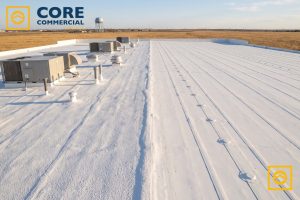
Select roofing materials based on Texas-specific performance, not just price. Thermoplastic polyolefin and PVC membranes are popular in Texas for their heat reflectivity and UV resistance. According to ENERGY STAR, a reflective cool roof lowers surface temperature, cuts air conditioning costs, and can extend the life of the roofing material itself, with a highly reflective white roof staying roughly 50°F cooler than a dark one on a summer afternoon. Weigh the full picture with our breakdown of TPO roofing pros and cons, and work with a local roofer who understands regional weather demands and material behavior in extreme heat.
3. Improper Roof Installation by Inexperienced Contractors
The Problem:
Even the best roofing materials will fail if they are installed incorrectly, and in Texas this is one of the leading causes of premature roof failure. A rushed or sloppy installation leads to leaks, poor insulation, premature wear, and costly repairs within just a few years of a brand new roof going on.
Why It Happens:
- Unqualified or undertrained crews
- Lack of attention to detail in sealing and flashing
- Poor surface preparation
- Contractors unfamiliar with building codes
The Solution:
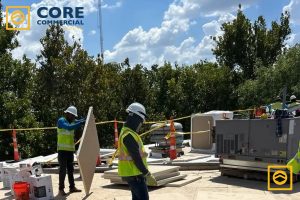
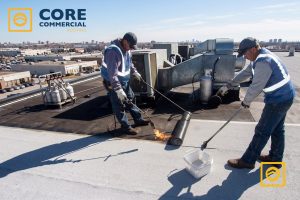
Choose your roofing contractor carefully. Don’t just go with the lowest bid. Look for licensed, bonded, and insured contractors with solid local experience and a track record of quality work. Ask for references, review warranties, and make sure the team is certified to install the materials you’ve chosen. The right contractor will ensure proper flashing, membrane overlaps, fastener spacing, and sealant application, all of which extend roof life.
4. Ignoring Existing Roof Damage Before Re-Roofing
The Problem:
Covering up old damage instead of fixing it is one of the most expensive mistakes in Texas commercial re-roofing. Hidden water damage, rotted decking, mold, or insect infestations under the old roof keep causing problems if they are not addressed before the new roof goes on, and they usually resurface as leaks within the first year.
Why It Happens:
- Pressure to stay on budget or meet deadlines
- Lack of thorough inspection before re-roofing
- Inexperienced contractors skipping steps
- Building owners unaware of the underlying issues
The Solution:
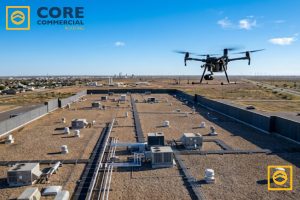
Always start with a full roof inspection. A reputable roofer will take core samples, check for moisture under the membrane, and inspect the roof deck for rot or weakness. A documented comprehensive roof report before the project starts tells you exactly what is under the old membrane. If there is existing damage, it needs to be repaired before any new materials go on. Re-roofing over hidden issues only delays bigger, more expensive problems down the line.
5. Inadequate Ventilation and Insulation
The Problem:
Without proper ventilation and insulation, a Texas commercial roof traps heat, drives up energy bills, and fails years ahead of schedule. Texas is hot. Scorching hot in the summer. That heat stress cooks the roof assembly from both sides, making indoor temperatures unbearable while the membrane ages prematurely above.
Why It Happens:
- Lack of focus on energy efficiency
- Improper vent placement
- Using the wrong type or thickness of insulation
- Overlooking attic or plenum conditions
The Solution:
During re-roofing, take the opportunity to upgrade your ventilation and insulation systems. Use high-quality rigid foam insulation or spray polyurethane foam to create a strong thermal barrier. Add ridge vents, soffit vents, or mechanical ventilators depending on your building’s structure. Pairing upgraded insulation with reflective coatings is one of the most effective ways to reduce cooling costs on a Texas commercial building, and it protects the roof from heat damage at the same time.
6. Skipping Permits and Code Compliance
The Problem:
Skipping permits or bending building codes to save time or money is a risky move in Texas. Non-compliant roofs can lead to fines, delays, insurance problems, or even a forced tear-off and replacement, which wipes out any money the shortcut was supposed to save.
Why It Happens:
- Cutting corners to reduce costs
- Contractors unfamiliar with local codes
- Fast-track timelines for retail or warehouse spaces
- Lack of due diligence by property managers
The Solution:
Always pull the proper permits and work with a contractor familiar with Texas building codes, especially those related to wind uplift, fire resistance, drainage, and insulation. Roofers should stay updated with city, county, and statewide codes, particularly in storm-prone areas. A code-compliant roof keeps your building safe, insurable, and marketable.
Final Thoughts: Re-Roofing Problems in Texas
Commercial re-roofing in Texas comes with challenges, but with the right planning and expert help, these challenges don’t have to turn into disasters. The key is to understand the risks upfront, choose materials and contractors wisely, and never skip steps during the process. Proper drainage, quality materials, code compliance, and a focus on ventilation and insulation will all extend your roof’s lifespan and improve your building’s energy performance.
If you’re planning a commercial re-roofing project in Texas, make sure to work with professionals who understand the unique challenges of our climate and building regulations. A durable, well-installed roof isn’t just a necessity. It’s an investment that protects everything inside your business.
Awareness of potential Re-Roofing Problems is vital for effective property management.
Recognizing Re-Roofing Problems helps mitigate risks and extends the lifespan of your roofing system.
FAQs
What causes water to pool on flat commercial roofs in Texas?
Ponding water on Texas flat roofs is typically caused by inadequate slope, structural sagging, or undersized drainage systems that cannot handle the state’s sudden, heavy downpours. Over time, debris from storms can also clog scuppers and drains, leading to standing water that accelerates membrane degradation. Core Commercial Roofing & Coatings recommends installing tapered insulation systems during re-roofing to create a positive slope, ensuring water is directed toward drains and off the roof within 48 hours.
Which roofing materials are best for Texas commercial buildings?
Due to extreme UV exposure and heat, TPO (Thermoplastic Polyolefin) and PVC are the top choices for Texas businesses because they offer high solar reflectivity and heat resistance. These “cool roofs” prevent the building from absorbing thermal energy, which significantly reduces cooling costs. For industrial facilities or restaurants exposed to grease and chemicals, Core Commercial Roofing & Coatings often suggests PVC for its superior chemical resistance and long-term durability in harsh environments.
Knowing the signs of Re-Roofing Problems can help building owners act quickly and avoid severe damage.
Consulting on Re-Roofing Problems can lead to tailored strategies for your specific roof type.
How can I prevent leaks in my commercial roof?
Prevention starts with professional installation and a rigorous maintenance schedule that includes clearing debris from drains and inspecting seams after major Texas weather events. At Core Commercial Roofing & Coatings, we emphasize that proactive maintenance (such as applying high-quality elastomeric coatings) can seal minor imperfections before they become major leaks, effectively extending the lifespan of your existing roof system.
Effective management of Re-Roofing Problems includes routine inspections and maintenance strategies.
Proactive identification of Re-Roofing Problems will enhance your overall roofing experience.
What are the common signs of poor roof installation?
Look for visible bubbling or blistering in the membrane, loose metal flashing around vents, and “waves” or unevenness in the roof surface, which indicate poor attachment or lack of surface preparation. If you notice rising energy bills or water stains on the ceiling shortly after a new roof is installed, it often points to improper insulation or sealing. Core Commercial Roofing & Coatings ensures every project meets strict manufacturer specifications and local codes to avoid these premature and costly failures.
Common Re-Roofing Problems require proactive measures to ensure roof longevity and functionality.
Is insulation important for commercial roofs in Texas?
Yes, insulation is a critical barrier against Texas’s scorching summer heat; without it, your HVAC system must work overtime, leading to mechanical failure and astronomical energy bills. Modern building codes often require specific R-value (thermal resistance) during a re-roofing project. Core Commercial Roofing & Coatings utilizes high-density polyiso insulation boards to provide superior thermal protection, keeping your interior stable and reducing your carbon footprint.
Learning about Re-Roofing Problems empowers building owners to make informed decisions.
Addressing Re-Roofing Problems before they worsen is crucial for maintaining property value.
How often should commercial roofs be inspected in Texas?
Commercial roofs in Texas should be inspected at least twice a year: once in the spring before the intense summer heat and once in the fall after the hurricane/storm season. These inspections allow you to catch hail damage, thermal splitting, or drainage clogs early. Regular professional evaluations by a trusted partner like Core Commercial Roofing & Coatings can help you document damage for insurance claims and prevent minor issues from turning into a full-scale roof replacement.
Addressing Re-Roofing Problems promptly can prevent minor issues from escalating.
Do I need permits for commercial re-roofing in Texas?
Yes, most Texas municipalities, including major hubs like Houston, Dallas, and Austin, require a building permit for commercial re-roofing projects. These permits ensure the new roof meets current safety standards for wind uplift (essential in coastal regions) and energy efficiency codes. Working with a contractor who understands local jurisdiction requirements is vital to avoid fines or the risk of having to tear off non-compliant work.
Permits are essential to addressing Re-Roofing Problems and ensuring compliance with safety regulations.
Can I install a new roof over an old one?
While “re-cover” is possible and cost-effective in some cases, it is only recommended if the existing deck is structurally sound and free of moisture. Texas code typically limits buildings to two roof layers; however, installing a new roof over wet or rotted materials will trap moisture, leading to mold and structural decay. A thorough inspection and core sampling should always be performed to determine if a full tear-off is necessary for long-term protection.
Investing in knowledge about Re-Roofing Problems protects your financial interests in the long run.
What is the lifespan of commercial roofing materials in Texas?
In the Texas climate, high-quality TPO and PVC roofs typically last between 20 to 30 years, while metal roofing can exceed 50 years with proper maintenance. However, factors like hail frequency, UV intensity, and the quality of the initial installation play a massive role in longevity. Choosing durable, reflective materials and maintaining them regularly can push your roof toward the upper end of its expected service life.
Understanding Re-Roofing Problems is crucial for maintaining a commercial roof in Texas.
Understanding the impact of Re-Roofing Problems helps in resource allocation for repairs.
How does Texas weather hurt commercial roofs?
Texas weather attacks roofs through “thermal shock,” where rapid temperature swings cause materials to expand and contract violently, leading to split seams and cracks. Additionally, intense UV rays break down the chemical bonds in roofing membranes, making them brittle over time. High winds and large hail from spring storms can also puncture surfaces or lift edge metal, creating immediate entry points for water.
Combatting Re-Roofing Problems requires knowledge of the local weather and material performance.
Awareness of Re-Roofing Problems helps mitigate risks associated with commercial roof longevity.