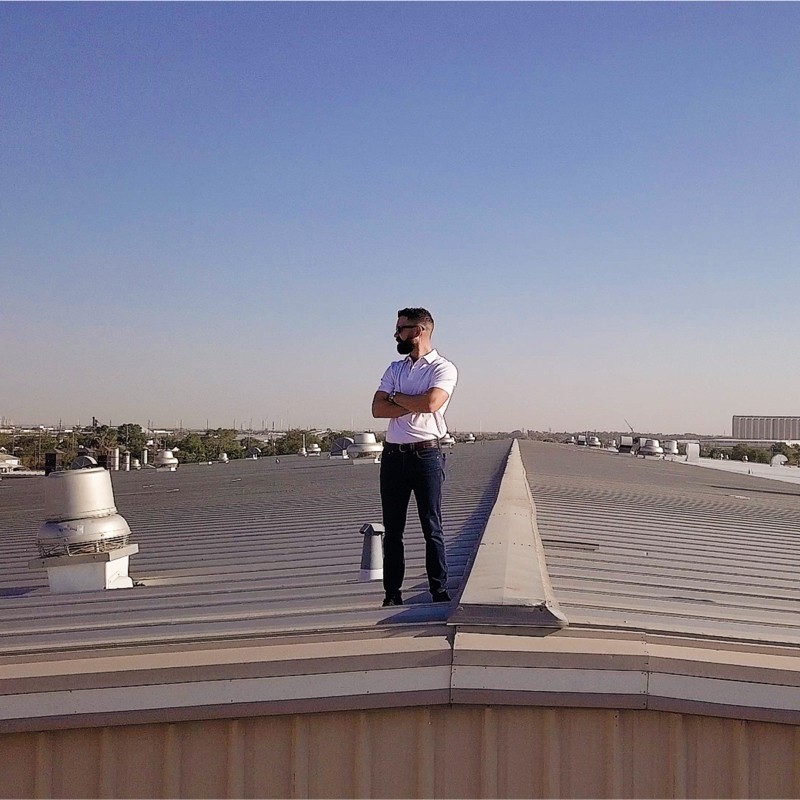

Increasing the value of your commercial property in Texas doesn’t always require major renovations or a massive budget. Sometimes the smartest improvements start at the top. Literally. Your roof drives the energy efficiency, first impression, and long-term durability of everything underneath it. From boosting curb appeal to cutting utility bills, the right roof upgrades turn your building into a higher-performing asset. One of our favorite quick wins is adding natural light through skylights, a feature tenants love and buyers notice from the first walkthrough. In this article, you’ll learn seven proven ways to make your commercial roof work harder for you: raising building value, reducing operating costs, and attracting better tenants over time.
Table of Contents
Why Your Roof Is a Property Value Driver in Texas
Your roof does more for your commercial property’s value than most owners realize. Appraisers, buyers, and lenders all factor roof condition into their assessments, and in West Texas, where hailstorms roll through the Lubbock corridor every spring and summer temperatures push well past 100°F, a roof in poor condition isn’t just an aesthetic problem. It’s a financial liability.
A worn or aging roof signals deferred maintenance and unknown repair costs. A modern, well-documented roofing system does the opposite: it adds confidence, reduces buyer risk, and supports a stronger appraisal. More than just weather protection, your roof directly influences energy bills, tenant comfort, insurance premiums, and how your building competes in the market. If your goal is to grow what your property is worth, the roof is the best place to start.
1. Replace Old Roofing with Energy-Efficient Materials
Switching to energy-efficient roofing is one of the fastest ways to improve a building’s performance and raise its market value. Modern systems (TPO, metal, and EPDM membranes) are designed to reflect solar heat and resist the temperature swings that beat down on West Texas roofs all year.
In Lubbock and across the Permian Basin, a conventional dark-membrane roof can reach surface temperatures high enough to push HVAC systems into overdrive for six months straight. Upgrading to a reflective single-ply or metal system cuts that heat load significantly, reducing cooling costs and the wear on mechanical equipment inside.
Beyond the monthly savings, energy-efficient materials last longer than traditional options, which means fewer repair cycles and a longer window before a full replacement is needed. Buyers and tenants are paying closer attention to operating costs than ever, a roof that demonstrably lowers those costs is a selling point that shows up in lease negotiations and appraisals alike. According to Zillow’s analysis of Remodeling magazine’s Cost vs. Value data, a commercial-grade roof replacement typically delivers a 60–70% return on investment at sale, not counting the ongoing energy and maintenance savings captured while you own the property.
If you’re weighing your options, our breakdown of commercial re-roofing solutions for Texas properties covers the material choices and what each one realistically costs in this market.
2. Create a Living Space with a Green Roof
A green roof (also called a living roof) transforms your building into something buyers and tenants remember. These systems layer vegetation over a waterproof membrane, and they do real work: natural insulation, stormwater management, and improved air quality around the building.
In higher-traffic commercial settings, a rooftop green zone can double as usable tenant space: a break area, a garden, a feature that justifies higher rents and improves lease renewals. For properties pursuing LEED certification or sustainability commitments, green roofs carry real weight in those evaluations.
The energy benefit is concrete: vegetation shades the roof membrane and reduces heat transfer into the building, cutting cooling load during the hottest months. That’s meaningful in West Texas, where buildings without adequate insulation or shading run HVAC equipment hard from April through October. If you’re thinking about what your roof can do beyond just staying weather-tight, a green roof is worth serious consideration.
3. Install a Cool Roof to Cut Energy Costs
Cool roofs are engineered to reflect sunlight and absorb less heat than conventional roofing materials. In Texas, where temperatures frequently exceed 100°F for weeks at a stretch, this isn’t a premium upgrade. It’s a practical cost-control measure. The U.S. Department of Energy confirms that cool roofs stay up to 60°F cooler than traditional black membrane roofs during peak summer conditions, a difference that shows up directly on your utility bill.
Cool roofs can be installed using reflective coatings applied over an existing membrane, white TPO or PVC membranes, or light-colored metal panels. Each approach achieves the same core outcome: less heat entering the building, less demand on your HVAC system, and more stable indoor temperatures for tenants.
For commercial property owners, the value case is straightforward. Lower operating costs make your building more attractive to quality tenants. Lower HVAC demand extends the life of mechanical equipment. And a roof that actively reduces expenses, rather than creating them, is an asset that shows up clearly in an income-based appraisal. If you haven’t had your roof evaluated for reflectivity recently, it’s one of the higher-return conversations you can have with a roofing contractor this year.
4. Upgrade Your Roof Insulation
Proper roof insulation is one of the most undervalued upgrades a commercial property owner can make in Texas. Thin or degraded insulation means your HVAC system fights the roof all day. In a Lubbock summer, that fight is expensive. Hot air pushes through a poorly insulated deck, interior temperatures climb, tenants complain, and energy bills reflect every degree of that struggle.
Upgrading the insulation (whether through additional polyiso board, spray foam, or a tapered insulation system that also addresses drainage) keeps conditioned air where it belongs. That translates directly to lower utility costs, more consistent temperatures throughout the space, and reduced mechanical wear over time.
There’s a structural benefit too. Properly insulated roofs experience less thermal expansion and contraction as temperatures swing between a 20°F winter night and a 105°F July afternoon. Less movement means less stress on the membrane, fewer seam failures, and a longer interval before the roof needs attention. That extended lifespan has real dollar value in an appraisal, one less major capital expenditure on the property’s horizon.
Our comprehensive roof report service includes an insulation assessment, so you know exactly what you’re working with before committing to any upgrade.
5. Keep Up with Roof Inspections and Repairs
A documented inspection history is one of the most underrated value signals a commercial property can carry. Buyers and lenders know that a well-maintained roof costs less over time, and when you can show them a record of professional inspections and proactive repairs, you remove one of the biggest risk variables they’d otherwise price into their offers.
In West Texas, this matters more than in most markets. Lubbock sits in one of the most active hail corridors in the United States. Spring storms can deposit baseball-sized hail on a TPO membrane and leave damage that isn’t visible from the ground, punctures, seam stress, flashing displacement, but shows up as a leak three months later when it’s least convenient. Setting up a twice-yearly inspection schedule, fall and spring, bracketing the hail season, catches those issues before they compound.
After any significant storm, get eyes on the roof before filing an insurance claim or simply waiting to see what happens. Documented damage, professionally assessed, gives you the evidence base to file a strong claim and get the right scope of repair. A commercial roof inspection from a GAF Master Elite certified contractor carries weight with adjusters in a way that a general contractor’s assessment often doesn’t.
Proactive maintenance also keeps your roof warranty intact, and a transferable manufacturer’s warranty is a concrete asset that adds value when it’s time to sell or refinance.
6. Add Skylights and Natural Daylight Features
Skylights and daylight panels do two things well: they lower your electricity costs and they make commercial spaces more desirable. Natural light improves the working environment in office settings, increases foot traffic dwell time in retail spaces, and gives showrooms a premium feel that artificial lighting can’t replicate.
For a property owner, the value case is direct. Tenants pay more attention to how a space feels than most landlords give them credit for. Natural light is consistently cited as a top feature in tenant satisfaction surveys, and buildings that offer it tend to retain tenants longer and experience fewer vacancy gaps, both of which translate to higher net operating income and a stronger income-based appraisal.
The energy savings layer on top. Cutting daytime artificial lighting requirements reduces your building’s base load, which is a year-round savings that compounds over time. When skylights are installed properly, flashed, and integrated correctly into the roof assembly, they don’t create a leak risk. Poorly installed, they absolutely can. That’s why skylight work should always be done in coordination with a commercial roof repair specialist who understands the penetration flashing requirements for your specific roof type.
7. Fix Roof Leaks and Structural Damage Without Delay
In Texas, a roof leak that gets ignored for a season is rarely a small problem by the time it surfaces visibly. Water follows the path of least resistance through a roof assembly. It can travel several feet from the point of entry before it appears as a ceiling stain or a wet spot on the deck. By then, insulation is saturated, the roof deck may be compromised, and mold can be developing in enclosed cavities.
Structural damage moves faster in West Texas than in most markets. The combination of high UV, thermal cycling between extreme heat and cold, hail impact, and sustained wind creates stress on commercial roof systems that accelerates the progression from minor damage to major failure. A small seam failure after a spring storm can open up significantly through the summer heat cycle and become a replacement-size problem by fall.
The repair-versus-replace decision comes down to two things: the age of the roof and the scope of the damage. If your roof is under 15 years old and the damage is localized, a professional repair is usually the right call. If it’s approaching the end of its service life and showing widespread issues, a full commercial re-roof often costs less over a five-year horizon than continued patchwork. Either way, acting quickly protects the warranty on your existing system, controls the repair scope, and keeps the building’s value intact. Delayed repairs don’t just cost more to fix; they lower the ceiling on what your property can appraise or sell for.
The Long-Term Case for Roof Improvements
If you’re looking for practical, high-return ways to raise your commercial property value in Texas, the roof is the right place to start. A strong, efficient, and well-maintained roofing system does more than keep the rain out; it boosts energy efficiency, increases tenant satisfaction, and protects the entire structure beneath it.
The improvements covered in this article (upgrading to energy-efficient materials, installing a cool roof or reflective coating, improving insulation, adding natural light, and staying on top of inspections and repairs) aren’t just maintenance tasks. Each one either reduces operating costs, extends the useful life of the building, or improves the tenant experience. Often all three. That’s the combination that moves the needle on what your property is worth to buyers, lenders, and the tenants you’re competing to attract.
The condition of your roof either builds your property’s value or quietly erodes it. The improvements you make today pay dividends for years.
FAQs
How can a new roof increase my commercial property's value?
A new roof significantly raises property value by showcasing structural integrity and eliminating a major repair expense for a potential buyer. A modern, professionally installed roof signals that the building is well-maintained and provides immediate benefits like lower operating costs through better energy efficiency. When it’s time for an upgrade, Core Commercial Roofing & Coatings installs high-quality, warrantied systems that provide that confidence and long-term asset protection.
What are energy-efficient roofing materials for commercial buildings?
Top energy-efficient materials are generally reflective single-ply membranes like TPO (Thermoplastic Polyolefin), EPDM (Ethylene Propylene Diene Monomer), and metal roofing. These materials, especially lighter colors, reflect solar heat away from the building, which dramatically reduces the need for air conditioning. You can rely on Core Commercial Roofing & Coatings to advise on and install the right energy-efficient material to maximize your savings in the Texas climate.
What is a green roof and how does it add value?
A green roof (or living roof) is a system with a layer of vegetation installed over a waterproof membrane. It adds value by improving a building’s aesthetics, offering usable tenant amenity space (like a garden or patio), and providing natural insulation. This natural cooling and reduced stormwater runoff are highly attractive features for eco-conscious buyers and renters.
How does proper roof insulation affect my building's value?
Proper roof insulation is essential because it prevents heat transfer – keeping warm air out in the summer and warm air in during the winter. This directly leads to lower utility bills and a more stable, comfortable environment for tenants, which boosts retention and rental value. By assessing your current insulation’s R-value, Core Commercial Roofing & Coatings can expertly install high-performance insulation to deliver maximum energy savings.
Why are regular roof inspections important for my property's value?
Regular roof inspections are crucial for protecting your property’s value because they catch small problems (like minor leaks or loose fasteners) before they become catastrophic and expensive damage. Proactive maintenance maximizes the roof’s lifespan and shows potential buyers the property is managed responsibly.
Can installing skylights increase the value of my commercial property?
Yes, absolutely! Installing skylights and other daylight features increases value by reducing the need for artificial lighting, which cuts electricity costs. More importantly, natural light improves tenant satisfaction, mood, and productivity, making the space significantly more appealing and easier to lease. This feature adds a premium appeal that a professional team can safely integrate into your roofing system to prevent leaks.
How important is it to fix roof leaks and structural damage quickly?
It is absolutely critical to fix leaks and structural damage immediately. Delaying repairs, even for a seemingly small leak, can quickly turn into a major, expensive catastrophe. Water infiltration immediately damages insulation, saturates the roof deck (which can lead to costly structural wood rot), and promotes the growth of toxic mold, creating health hazards. Furthermore, structural damage compromises the stability of the entire building, risking safety and leading to massive insurance and liability issues. For rapid and reliable service, Core Commercial Roofing & Coatings provides rapid-response repair services to minimize damage, address underlying structural issues, and protect your entire commercial asset from escalating costs.
Should I repair my commercial roof or get a full replacement?
The choice depends on the roof’s age, the extent of the damage, and the frequency of repairs. If the damage is localized and the roof is relatively new, a repair is likely sufficient. However, if the roof is near the end of its 20-25 year lifespan or has widespread issues, a full replacement is often the more financially prudent, long-term investment. You can trust the professionals at Core Commercial Roofing & Coatings to perform an objective assessment to determine the most cost-effective solution for your property’s value.
What is a Cool Roof coating and how does it compare to a full replacement?
A Cool Roof coating is a highly reflective liquid material, often white or light-colored, that is applied over an existing roof to reduce heat absorption. It’s a cost-effective alternative to a full replacement, primarily adding value through massive energy savings and by extending the life of the existing roof membrane. In the Texas heat, applying specialized, highly durable, and reflective coatings is a common way to maximize a building’s energy efficiency.
How does a new commercial roof improve a building's curb appeal?
A roof’s appearance is a massive part of a commercial property’s curb appeal because it’s so large. A dirty, worn, or patched roof creates a poor first impression that suggests neglect. A clean, modern, professionally installed roof dramatically improves the building’s aesthetic, making it more marketable to high-quality tenants and increasing its perceived value to potential buyers.