Phase 1: Structural Engineering and Code Compliance
Before executing physical construction, property owners must navigate municipal building codes and zoning ordinances.
Zoning Laws and Setbacks Municipalities strictly regulate property lines and structural setbacks. Extending a canopy too close to a parking lot or public street can trigger code violations. ADA compliance is equally critical; structural columns must never obstruct wheelchair ramp navigation or narrow minimum pathway widths.
Load-Bearing Capacity and Pitch Calculation
Determining the rise and run of the new structure dictates drainage efficiency. Structural engineers must calculate the exact dead load (the weight of the structural steel, plywood decking, and TPO membrane) and the live load (accumulated snow and maintenance personnel). Proper pitch ensures stormwater flows directly into designated box gutters rather than pooling on the surface.
Phase 2: Selecting Commercial Building Materials
Material selection dictates the lifecycle and capital expenditure ROI of the project.
Support Columns: Structural steel or reinforced concrete columns are mandatory in high-traffic retail environments to withstand potential vehicular impacts.
Roofing Membranes: Flat portico designs require seamless integration with the primary building. Thermoplastic Polyolefin (TPO) and Ethylene Propylene Diene Monomer (EPDM) rubber are standard for flat slopes.
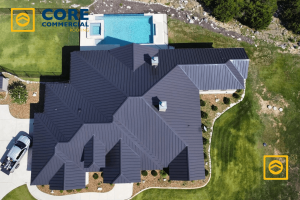
Pitched Surfaces: Standing seam metal panels offer a 50-year lifespan, superior shedding capabilities for ice, and exceptional architectural curb appeal.
Phase 3: Step-by-Step Construction Process
Mastering how to build a porch roof requires chronological precision to maintain the integrity of the building envelope.
Step 1: Anchoring the Ledger Board
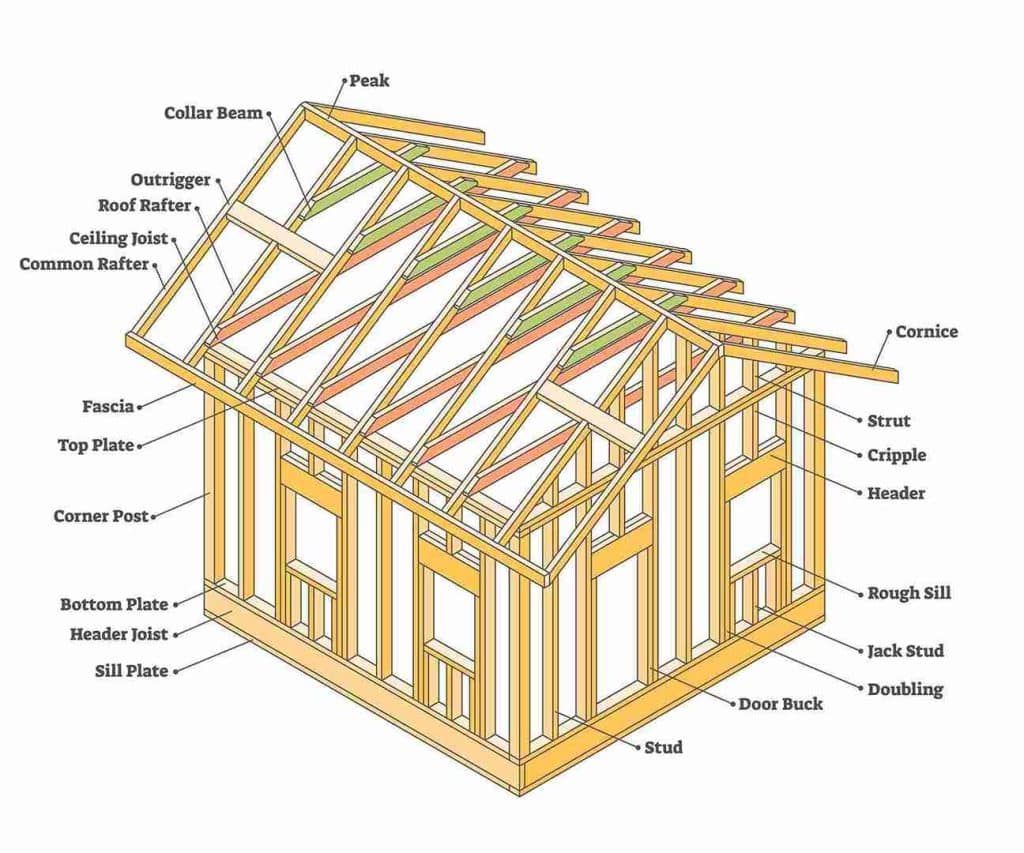
The ledger board acts as the primary anchor point connecting the new portico to the existing masonry or steel framework. Contractors must excavate the exterior facade layer (stucco, brick veneer, or aluminum siding) to expose the structural studs or concrete block (CMU). The ledger is secured using galvanized lag bolts, followed by the application of self-adhering flashing tape to prevent hidden moisture infiltration.
Step 2: Excavating Footings and Setting Columns
Ground-level support requires frost-depth excavation. Crews pour steel-reinforced concrete footings to prevent the structure from heaving during seasonal freeze and thaw cycles. In commercial parking zones, installing steel bollards around the foundational posts protects the load-bearing columns from delivery truck collisions.
Step 3: Framing the Canopy
With the foundational support cured, construction shifts to the overhead framework. A heavy-duty engineered header beam spans the front columns. Wooden rafters or prefabricated steel trusses are installed perpendicular to the ledger board, establishing the physical roof slope and supporting the upper decking.
Step 4: Installing Roof Decking and Waterproofing
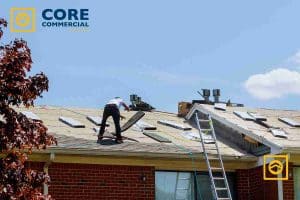
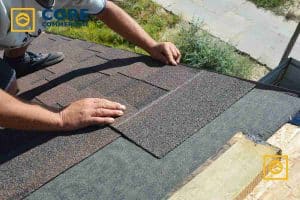
Contractors secure heavy-gauge structural plywood or corrugated steel decking over the rafter network. The critical waterproofing phase follows. Installers apply an ice and water shield underlayment across the decking. If the design utilizes a flat slope, a TPO membrane is fully adhered or mechanically attached, ensuring a seamless tie-in overlap where the portico meets the primary building wall.
Step 5: Integrating Box Gutters and Fascia
Effective stormwater management prevents foundation erosion. Commercial-grade box gutters are mounted to the fascia board. High-capacity downspouts are routed away from pedestrian walkways to prevent surface ice accumulation. Finally, vented soffit panels are installed underneath the rafters to promote air circulation and prevent condensation, often integrated with recessed LED lighting for nighttime security.
Conclusion
Executing a commercial canopy project requires far more than basic carpentry skills. Knowing how to build a porch roof involves integrating structural engineering, advanced waterproofing membranes, and strict municipal code compliance. By focusing on high-density materials like steel columns, ledger board flashing, and TPO membranes, property owners secure a highly durable asset. A meticulously engineered portico not only protects tenant foot traffic but also maximizes the long-term capital value of the commercial real estate portfolio.