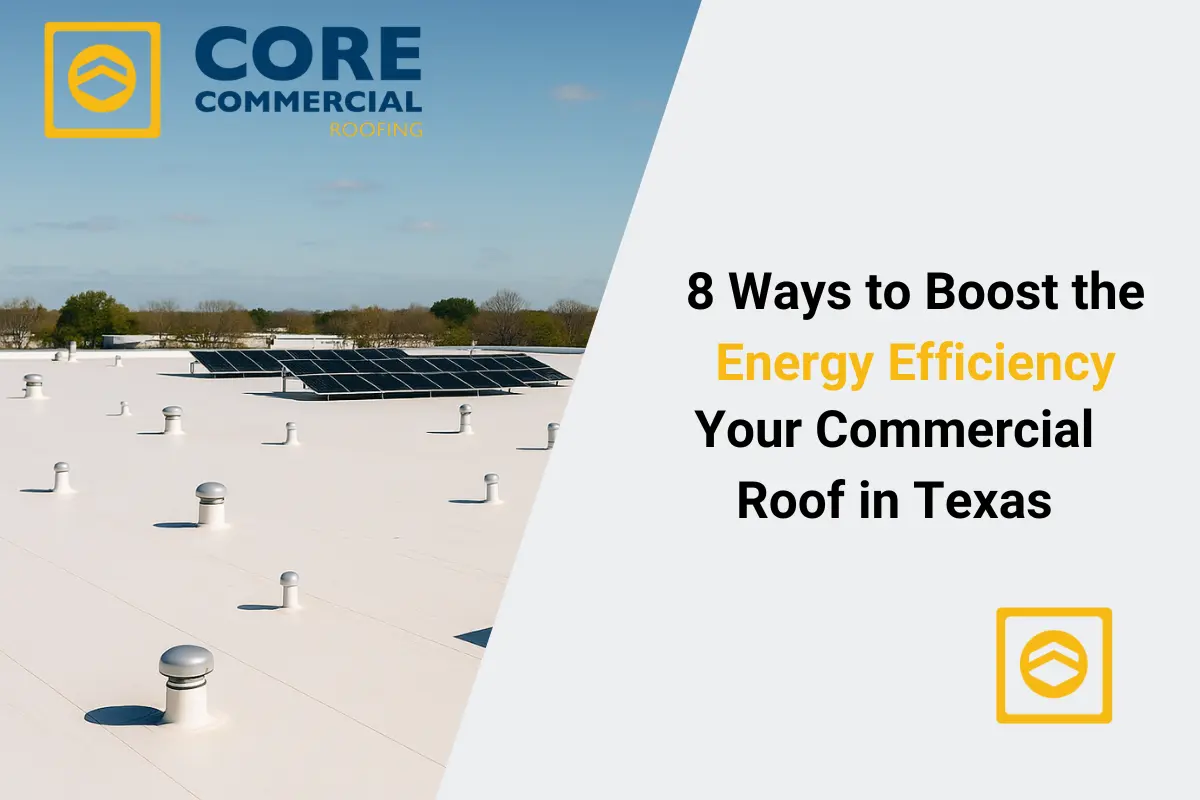
A commercial roof does more than protect your building. It plays a major role in energy use and monthly operating costs. In Texas, where hot summers often send cooling bills through the roof, business owners need smart strategies to improve efficiency. One of the most effective ways is installing reflective or “cool” roofing materials, which naturally reduce heat absorption and keep indoor temperatures more stable. This single upgrade can make a noticeable difference, but it’s just the beginning. With the right steps, your roof can shift from being a financial drain to a cost-saving asset. In this article, you’ll discover eight proven ways to boost the energy efficiency of your commercial roof in Texas, with practical tips that can help lower bills, extend roof life, and create a more comfortable environment for employees and customers alike.
Table of Contents
1. Choose Reflective or Cool Roofing Materials
One of the most powerful methods to boost the energy efficiency of your commercial roof is by choosing reflective or cool roofing materials. Texas summers are long and hot, and traditional dark roofing absorbs the sun’s rays, which increases the strain on your air conditioning system. Reflective roofing products are designed to bounce a large percentage of sunlight away, helping keep the roof surface cooler.
Cool roofing materials can be found in options such as single-ply membranes, reflective coatings, and light-colored metal panels. These products are not only effective in reducing heat but are also widely available, making them a practical choice for many businesses. By lowering roof surface temperature, you directly reduce cooling demand inside your building, leading to long-term energy savings. Businesses in Texas that adopt reflective roofing often see immediate reductions in utility costs while also creating a more consistent indoor climate.
2. Install Proper Roof Insulation
Insulation is the hidden powerhouse of a commercial roofing system. Without adequate insulation, your building will lose cool air during the summer and warm air during the winter, forcing HVAC systems to work harder. In Texas, where cooling demands dominate much of the year, roof insulation becomes critical for maintaining a comfortable interior and controlling energy expenses.

Modern insulation materials such as polyisocyanurate boards or spray foam offer high thermal resistance, meaning they slow the transfer of heat more effectively. The right insulation thickness can significantly cut down on wasted energy. When installed properly, insulation creates a buffer that reduces indoor temperature swings, lessens reliance on air conditioning, and improves overall energy efficiency.
Investing in roof insulation may seem like an upfront cost, but it quickly pays for itself in the form of lower energy bills and improved occupant comfort.
3. Add a High-Quality Roof Coating
Roof coatings are another smart way to extend roof life and improve energy performance. A high-quality reflective coating acts like a shield that enhances durability while also reflecting sunlight away. This means less heat enters the building, and your HVAC system doesn’t need to run as long to keep spaces cool.
In Texas, where UV rays and heat can wear down roofing materials, coatings provide extra protection against cracking, drying, and leaks. Elastomeric coatings, silicone coatings, and acrylic coatings are popular choices, each designed to improve reflectivity and resist weathering. When applied to an existing roof, they can transform it into a more energy-efficient system without requiring a full replacement.
You may try our service: core roofing
A roof coating is especially useful for businesses that want a cost-effective solution to boost performance without committing to a brand-new roof. It’s like giving your roof a second life while also reaping the benefits of lower cooling costs.
4. Improve Ventilation Across the Roof System
Ventilation often goes overlooked in roofing design, but it plays a critical role in energy efficiency. Without proper airflow, heat can become trapped beneath the roof, increasing temperatures inside the building. This can make air conditioners run longer and harder, leading to higher utility costs.
Installing ridge vents, turbine vents, or powered exhaust fans can help maintain better air circulation. In commercial spaces, balanced ventilation reduces moisture buildup, which also protects roof materials from damage. The result is not only a cooler building but also a healthier roofing system that lasts longer.
For Texas businesses, adding or upgrading roof ventilation can be a relatively small investment with major payoffs. Improved ventilation reduces the “heat island” effect on your roof, lessens indoor humidity, and enhances comfort for everyone inside the building.
5. Maintain Your Roof Regularly
Even the most energy-efficient roofing system won’t perform well without proper care. Regular roof maintenance helps identify small problems before they grow into major issues that waste energy. For example, clogged drains can lead to standing water that breaks down insulation, while damaged membranes can allow conditioned air to escape.
A maintenance routine typically includes cleaning debris, checking seals, inspecting flashing, and repairing minor damage. In Texas, strong storms and high winds make regular inspections even more important. By catching problems early, you can preserve insulation performance and prevent air leaks that drive up energy use.
Think of maintenance as an insurance policy for your roof’s energy efficiency. Consistent upkeep extends the life of your roofing system and ensures it continues to deliver the savings it was designed for.
6. Consider a Green Roofing System
For businesses looking to make a long-term investment, green roofing systems are gaining popularity as an energy-efficient solution. A green roof is partially or fully covered with vegetation, soil, and a waterproofing system. While it requires careful planning and design, the benefits can be significant.
Plants naturally absorb sunlight and act as insulation, keeping the roof surface cooler in the summer and warmer in the winter. Green roofs also reduce stormwater runoff, improve air quality, and create attractive outdoor spaces for employees or visitors.
In a climate like Texas, green roofs provide insulation benefits and help offset the intense heat. While not every building is suited for this type of system, those that adopt it often enjoy lower energy costs, a longer-lasting roof, and the added advantage of sustainability credentials.
7. Upgrade Skylights and Roof Windows
Daylighting is another way to reduce energy use inside commercial buildings. Skylights and roof windows allow natural light to enter workspaces, lowering the need for artificial lighting during the day. However, outdated or poorly designed skylights can let in too much heat, canceling out the benefits.
Energy-efficient skylights are made with double glazing, low-emissivity coatings, and tight seals that minimize heat gain while maximizing natural light. This helps reduce lighting costs without creating excess heat inside the building.
In Texas, where sunlight is abundant year-round, upgrading skylights can be a practical way to use natural light to your advantage. Modern designs improve energy performance, provide a brighter interior, and reduce dependence on overhead lighting systems.
8. Integrate Solar Panels into Your Roofing System
Solar panels are one of the most effective ways to transform your roof into an energy-producing asset. Instead of simply reducing energy use, solar power generates electricity that can offset or even replace part of your utility bills.
Texas is one of the best states for solar energy thanks to its long hours of sunshine. Installing panels on your commercial roof not only lowers operational costs but also positions your business as environmentally responsible. Over time, solar systems often pay for themselves while continuing to deliver savings for decades.
Beyond cost savings, solar integration can improve your building’s energy independence, making you less vulnerable to utility price fluctuations. This makes solar panels a forward-looking investment for commercial buildings aiming to maximize roof efficiency.
Conclusion
Improving the energy efficiency of your commercial roof in Texas is more than a building upgradeit’s a smart business strategy. Reflective roofing materials, proper insulation, coatings, ventilation, and solar integration all work together to reduce energy costs, extend roof lifespan, and improve comfort for everyone inside. While some methods require upfront investment, the long-term payoffs are hard to ignore. Lower utility bills, reduced strain on HVAC systems, and greater building performance translate into real savings and a healthier bottom line.
By applying these eight strategies, you can transform your roof from a simple cover into a key contributor to your business’s energy goals. Whether you start small with coatings and maintenance or go big with solar panels and green roofing, each step moves you closer to an efficient, sustainable future.
FAQs
How can a cool roof reduce energy bills in Texas?
A cool roof reflects more sunlight and absorbs less heat than a standard roof. In Texas, where summers are hot, this means your building stays cooler, reducing the need for air conditioning. This can lead to significant savings on energy bills and extend the life of your roof by minimizing heat-related wear and tear.
What insulation is best for Texas commercial roofs?
For Texas commercial buildings, using high-quality insulation like polyisocyanurate (polyiso) or sprayed polyurethane foam (SPF) is effective. These materials provide excellent thermal resistance, keeping your building cooler in the summer and warmer in the winter, which helps lower energy costs and maintain a comfortable indoor environment.
Are reflective roof coatings worth it in Texas?
Yes, applying reflective roof coatings can be a cost-effective way to improve energy efficiency. These coatings reflect sunlight, reducing roof temperatures and cooling costs. They also protect the roof from UV damage and can extend its lifespan, making them a smart investment for Texas businesses.
Do green roofs help with energy savings in Texas?
Green roofs, which are covered with vegetation, provide natural insulation and reduce heat absorption. In Texas, they can lower indoor temperatures, decrease the need for air conditioning, and manage stormwater runoff. While they require more maintenance, the energy savings and environmental benefits can be substantial.
How does roof maintenance affect energy efficiency?
Regular roof maintenance ensures that insulation, coatings, and other energy-saving features function properly. Addressing issues like leaks, cracks, or damaged membranes promptly prevents energy loss and costly repairs, maintaining the building’s energy efficiency over time.
Why is roof ventilation important for Texas buildings?
Proper roof ventilation allows hot air to escape and fresh air to circulate, reducing indoor temperatures and moisture buildup. In Texas’s hot climate, this helps lower cooling costs, prevents mold growth, and extends the life of roofing materials.
What are the benefits of solar panels on commercial roofs in Texas?
Installing solar panels on commercial roofs in Texas can significantly reduce electricity bills by generating your power. Texas offers incentives and tax benefits for solar installations, making it a financially attractive option. Additionally, solar panels can provide energy independence and contribute to environmental sustainability.
Are energy-efficient skylights beneficial for Texas businesses?
Energy-efficient skylights allow natural light into the building while minimizing heat gain. In Texas, they reduce the need for artificial lighting and help maintain comfortable indoor temperatures, leading to energy savings and improved employee well-being.
What can I do to save energy with my commercial roof in Texas?
To enhance your commercial roof’s energy efficiency in Texas, consider installing cool roofing materials, adding proper insulation, applying reflective coatings, ensuring adequate ventilation, and exploring renewable energy options like solar panels. Regular maintenance and considering green roofing solutions can also contribute to energy savings and environmental benefits.
What incentives are available for energy-efficient roofing in Texas?
Texas offers various incentives for energy-efficient roofing, including tax credits, rebates, and financing programs like the Commercial Property Assessed Clean Energy (C-PACE) program. These incentives can help offset the costs of upgrades like cool roofs, insulation, and solar panels, making energy-efficient improvements more accessible for businesses.