To save money on commercial re-roofing in Texas, strategically plan the timing, choose energy-efficient materials suited for the Texas climate, prioritize preventative maintenance, and explore local financing/incentive programs like PACE.
Re-roofing a commercial property in Texas is a major investment, often costing tens to hundreds of thousands of dollars. Whether you manage a warehouse, shopping center, or office building, controlling these expenses without sacrificing quality is essential. This guide offers eight proven, actionable strategies specifically tailored for the Texas climate and building codes, ensuring your cost-saving efforts lead to long-term performance.
2. Know Which Materials Perform Best in Texas
Texas isn’t gentle on roofs. Between intense sun, high humidity, hailstorms, and even hurricanes in some regions, your roofing material needs to handle a lot. Choosing the wrong type of material could lead to higher repair and energy costs later.
Most cost-effective roofing materials for Texas commercial buildings:
- TPO (Thermoplastic Polyolefin): Affordable, reflective, and energy-efficient. Great for flat roofs in hot areas like Dallas, Austin, and Houston.
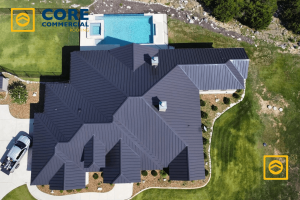
- Metal Roofing: Higher upfront cost, but excellent durability against hail, wind, and heat. Often lasts 40+ years.
- Modified Bitumen: Popular for low-slope roofs; budget-friendly and durable in variable weather.
- Spray Foam Roofing: Creates a seamless layer with high insulation value – great for reducing cooling costs.
Ask for an energy-efficient roof that meets Texas building codes and reflects heat away from your building. This small step can lower indoor cooling costs and qualify you for energy rebates in certain cities.
3. Don’t Ignore Preventative Maintenance
One of the biggest mistakes Texas building owners make is waiting too long to deal with roof issues. By the time you see interior leaks or major damage, it’s usually too late for minor repairs now you’re looking at a full replacement.
Save money by getting ahead:
- Schedule annual roof inspections (especially after hailstorms or hurricanes).
- Clean gutters and drains regularly to prevent water pooling.
- Seal cracks and replace flashing early to stop leaks before they grow.
Preventive maintenance extends your roof’s life and helps you avoid emergency replacements that are often rushed and overpriced.
4. Get a Detailed Roof Inspection First
Before you commit to a re-roofing project, invest in a professional roof inspection. A thorough inspection helps you understand what you need – whether it’s a full replacement, partial overlay, or just strategic repairs.
What a proper inspection should include:
- Infrared moisture scanning to detect hidden water damage.
- Evaluation of insulation, deck condition, and ventilation systems.
- Drainage system check to prevent future ponding issues.
Knowing exactly what’s wrong can help you avoid unnecessary costs and ensure you’re not replacing more than you have to. In many Texas cities, roofing permits also require a formal inspection, so doing it early saves time later.
5. Avoid Full Tear-Offs if You Can
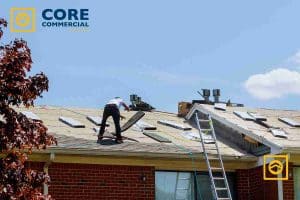
Tearing off the old roof and starting from scratch is expensive and messy. In many cases, you may be able to install a new roofing system over your existing one, saving thousands in labor and debris removal.
Texas building code generally allows up to two layers of roofing on commercial buildings, provided the deck is structurally sound and there’s no major moisture damage.
Benefits of an overlay instead of full tear-off:
- Cuts project time in half.
- Saves on labor and disposal costs.
- Reduces disruption to your business operations.
Just make sure you’re not layering over a damaged roof. That’s why a detailed inspection (Tip #4) is so important.
6. Hire a Local Roofing Contractor with Texas Expertise
Out-of-state roofing companies often show up after major storms in Texas. While some are legitimate, many are “storm chasers” who cut corners, overcharge, and disappear after the job is done.
Why local contractors save you more in the long run:
- They understand Texas weather, codes, and materials.
- They’re more accountable for long-term warranties and service.
- Local teams are easier to reach for follow-ups or maintenance.
Check their credentials:
- Are they licensed and insured in Texas?
- Do they have commercial roofing experience in your city?
- Can they provide local references or portfolio examples?
You’re not just hiring someone to install a roof – you’re building a relationship that can affect your building’s performance for decades.
7. Understand Warranty Options That Save Money Long-Term
Many commercial re-roofing jobs include warranties, but not all warranties are created equal. A good warranty can protect you from unexpected costs for 10, 20, or even 30 years.
Key types of warranties:
- Manufacturer Warranty: Covers defects in roofing materials.
- Workmanship Warranty: Covers installation errors by the contractor.
- Extended or NDL (No Dollar Limit) Warranty: Offers the most comprehensive coverage, often required for larger facilities.
Ask detailed questions about what’s covered, who’s responsible for inspections, and whether you can transfer the warranty if you sell the building. A strong warranty might cost more upfront, but could save tens of thousands over time.
8. Explore Financing and Incentives Available in Texas
If you’re managing a tight budget, you don’t have to pay for everything out of pocket. Many Texas cities and utilities offer financial incentives, tax breaks, and low-interest financing for energy-efficient roofing systems.
Options to explore:
- PACE (Property Assessed Clean Energy) financing: Available in several Texas counties; lets you finance roofing upgrades through your property taxes.
- Utility Rebates: Companies like Oncor and CenterPoint offer rebates for cool roofs and insulation upgrades.
- Federal Energy Tax Credits: Depending on your roofing material and installation, you may qualify for up to 10% in federal energy credits.
Talk to your roofing contractor about these programs – they can often help you apply and calculate the long-term savings.
Tips for Commercial Re‑Roofing: Spend Smarter, Not More
Re-roofing your commercial building in Texas doesn’t have to drain your budget. With the right planning, smart material choices, reliable contractors, and local rebates, you can cut costs without sacrificing quality. Each of these eight tips is designed to help you make educated, cost-effective decisions from start to finish.
What’s next?
Before you start calling contractors or buying materials, take a step back. Use this guide to create a re-roofing strategy. Focus on your building’s long-term performance, not just the lowest bid. When done right, your new roof won’t just protect your property, it’ll save you money for decades to come.
FAQs
How can I save money on commercial roof replacement?
The most effective savings come from being proactive and strategic. Schedule the project during off-peak seasons, like late fall or early winter, when labor rates are lower. Crucially, invest in a detailed inspection first to confirm you aren’t replacing a roof that only needs a repair or overlay. This strategy prevents unnecessary expenses and ensures the lowest lifetime cost, not just the lowest initial bid.
What is the best time to replace a commercial roof in Texas?
Aim for Late Fall (October-November) or Early Winter (December–February). This is when the demand for contractors in Texas is lower, allowing you to negotiate better rates and ensuring your project gets faster attention compared to the busy, storm-recovery summer months. By planning ahead, Core Commercial Roofing & Coatings can secure materials and labor at non-peak pricing for you.
Which roofing material is most cost-effective for a Texas commercial building?
The answer depends on your long-term goals. TPO is cheaper upfront (often $\$5$ to $\$8$ per sq. ft. installed) and excels in reflecting sunlight, significantly lowering cooling bills. However, Metal Roofing (which costs about 20-25% more initially) offers superior durability, often lasting 40 to 70 years compared to TPO’s 15-30 years. For maximum long-term value against harsh weather, metal often proves more cost-effective.
Is it possible to install a new roof over an existing one in Texas?
Yes, absolutely. This is called an overlay and can save thousands in labor and debris removal costs. Texas code generally allows up to two roofing layers, but the process is only safe if the underlying roof deck is structurally sound and completely dry. Before proceeding, Core Commercial Roofing & Coatings performs a moisture scan (infrared inspection) to confirm the existing roof is dry enough for an overlay.
How often should a commercial roof be inspected in Texas?
A commercial roof requires inspection at least once per year. However, because Texas is prone to sudden severe weather, you should always schedule an additional, immediate inspection following any major event like a hailstorm or hurricane. Regular checks prevent minor issues like small blisters or damaged flashing from turning into full-system failures.
Are there any Texas incentives for energy-efficient roofing?
Yes. Commercial roofing upgrades often qualify for significant savings. Options include: 1. PACE (Property Assessed Clean Energy) Financing: Available in many Texas counties, this program offers long-term financing (10-20 years) for energy-efficient upgrades, including cool roofing, paid through your property taxes. 2. Federal 179D Tax Deduction: High-efficiency roofing that contributes to at least 25% energy savings can qualify for tax deductions up to $\$5.00$ per square foot if prevailing wage requirements are met. Your team at Core Commercial Roofing & Coatings can help you understand how to qualify for these programs.
What is the advantage of hiring a local Texas roofing contractor?
Local contractors offer superior accountability and expertise. They understand the specific regional building codes, common failure points in the Texas climate (like thermal movement), and the best materials that perform locally. Local companies, such as Core Commercial Roofing & Coatings, are easier to reach for follow-up service and honoring long-term workmanship warranties, unlike out-of-state “storm chasers.”
What's the best way to determine if I need a full replacement?
The only reliable method is a detailed professional roof inspection that includes diagnostic tools. A visual check isn’t enough; true damage often involves saturated insulation or deck rot hidden beneath the membrane. A proper inspection includes Infrared (IR) Moisture Scanning to detect hidden water, ensuring you only replace the portions of the roof that are truly compromised.
What kind of warranty should I look for to save money long-term?
The most protective choice is a No Dollar Limit (NDL) Extended Warranty. This type of warranty covers both the cost of replacement materials and the contractor’s labor for a set period (often 20-30 years). Be sure the warranty is transferable if you sell the building, adding value to your property.
What are the key signs that my commercial roof needs replacement soon?
Look out for persistent issues that go beyond simple patching: 1. Widespread Ponding: Water standing for more than 48 hours. 2. Saturated Insulation: Detected by spongy spots or moisture scans. 3. Multiple Leaks Across the Building: Not just one isolated leak. 4. Excessive Age: Most TPO or Modified Bitumen roofs reaching 20 years. These are strong indicators that a full replacement is more cost-effective than continued repairs.