Commercial roof failure doesn’t happen overnight, but it often sneaks up on you when you’re least prepared. A small leak today could become a major repair tomorrow. The real danger? Not spotting the early signs. One of the most overlooked but telling signs we often find is trapped moisture forming blisters or bubbles on the surface. something many building owners ignore until it’s too late. To stay ahead of costly damage, downtime, and safety hazards, continue reading. This article breaks down the most obvious—and the most easily missed. warning signs that your roof may be reaching its limit, and more importantly, what steps you should take right now to protect your building, team, and budget.

Table of Contents
1. Cracks, Blisters, and Bubbles
What You Might See:
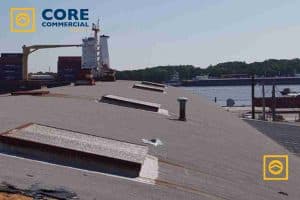
Raised sections on the roof surface, bubbling material, or small cracks that split open over time.
Why It’s a Problem:
These symptoms usually form when water or air gets trapped under roofing materials. Even minor blisters are signs of poor sealing—and they only get worse. Once the outer layer separates, it’s open season for leaks, rot, and roof deck damage.
What to Do Now:
Don’t wait to see if it spreads. Have a licensed commercial roofer examine the blistered or cracked area. If isolated, a simple patch may be enough. If it’s widespread, you might be looking at a larger restoration or resurfacing project.
2. Water Stains and Indoor Leaks
What You Might See:
Brown rings on ceiling tiles, peeling paint on upper walls, damp insulation, or water dripping during storms.
Why It’s a Problem:
Leaks aren’t just messy—they damage drywall, corrode wiring, and promote hidden mold. They also indicate that the roof’s protective layer has failed, allowing water to seep inside.
What to Do Now:
Call for a full inspection as soon as you notice any stains. It’s easier (and cheaper) to fix the source early than to repair extensive interior damage later.
3. High Energy Bills Without Explanation
What You Might See:
Heating or cooling costs that suddenly spike—even though your energy usage habits haven’t changed.
Why It’s a Problem:
Your roof acts as a barrier to the elements. If the insulation has shifted, compacted, or been compromised by moisture, your HVAC system has to work harder to maintain a steady temperature.
What to Do Now:
Have your roofing contractor check for insulation voids or wet spots. Energy efficiency improvements like new insulation or a reflective roof coating can dramatically reduce your monthly utility bills.
4. Uneven or Sagging Roof Areas
What You Might See:
Sections of your flat or low-slope roof that look sunken, warped, or uneven.
Why It’s a Problem:
Sagging suggests there may be hidden water accumulation or even rotting structural components. This increases the risk of a partial collapse during storms or snow loads.
You may read: commercial roof maintenance
What to Do Now:
Have the structural integrity of the roof deck evaluated. Don’t let trapped water weaken the beams that hold your entire building together.
5. Mold or Musty Smells Indoors
What You Might See or Smell:
Musty odors in certain rooms, black or green patches on walls or ceilings, or employee complaints about allergies and breathing issues.
Why It’s a Problem:
Mold thrives in moisture. It spreads fast and can damage not just your building but your reputation if customers or workers are affected.
What to Do Now:
Find the source of the moisture. This is often a minor roof leak that went undetected. Repair the leak, improve ventilation, and clean up the mold using professional methods.

6. Pools of Water After Rainstorms
What You Might See:
Shallow puddles or standing water on the roof that don’t drain for 48 hours or more.
Why It’s a Problem:
Pooling water puts stress on your roof membrane and speeds up material breakdown. It also attracts insects and increases the odds of leaks forming.
What to Do Now:
Check that all drains and scuppers are clear of debris. If ponding still happens, your roof might need to be regraded, or new drainage solutions installed.
7. Damaged or Missing Flashing
What You Might See:
Metal flashing that’s rusted, bent, or completely missing around vents, HVAC units, or skylights.
Why It’s a Problem:
Flashing keeps water from sneaking in at seams and edges. Without it, these vulnerable spots can quickly allow water intrusion behind walls and into ceilings.
What to Do Now:
Replace or reseal any compromised flashing. It’s a small repair that can prevent major interior damage.
8. Rips or Gaps in the Roof Membrane
What You Might See:
Tears, open seams, or missing pieces of membrane, especially on flat commercial roofs.
Why It’s a Problem:
The membrane is your first line of defense. When it’s compromised, water can reach the underlayment and insulation, ruining their effectiveness.
What to Do Now:
Catch these early. A roofer may be able to patch small sections, but large areas with missing or lifted membrane often require a full resurfacing or replacement.
9. Your Roof Is Over 20 Years Old
What You Might Know:
If your commercial roof was installed two decades ago (or longer), it’s likely approaching the end of its useful life.
Why It’s a Problem:
Roofing materials degrade with time, even if they look okay from the outside. Old roofs are more likely to leak, insulate poorly, and cost more to maintain.
What to Do Now:
Schedule a complete roof condition report. If you’re dealing with repeated issues, investing in a new roof now can save you thousands in repairs and energy costs later.
10. Constant Repairs and Rising Maintenance Costs
What You Might See:
Recurring leaks, frequent patchwork, and increased service calls over the past year.
Why It’s a Problem:
A roof that needs constant attention is no longer reliable. Every repair is a short-term fix that adds up—fast.
What to Do Now:
Instead of draining your budget with repeated service calls, explore long-term solutions. A total replacement may be more cost-effective and give you peace of mind.
Smart Action Steps to Protect Your Building
Knowing the signs is just the beginning. Here’s how to act before small issues turn into massive headaches:
Schedule Routine Roof Inspections
Twice a year is the sweet spot—once in the spring and once before winter. Add inspections after major storms or heavy winds. learn about metal roof installation
Document Everything
Track when issues are noticed, who performed repairs, and what materials were used. This record helps you avoid repeat problems and strengthens any warranty claims.
Work With Experts Familiar With Your Local Weather
Roofing challenges vary based on climate. Pick a contractor who knows what works for commercial roofs in your area, especially if your building deals with heavy rain, extreme heat, or snow.
Don’t Ignore the Little Things
A small stain or tiny blister today might be hiding much bigger damage underneath. Fast action means fewer surprises—and less money spent.
Final Thoughts on Preventing Roof Failure
Commercial roofs aren’t just a cover—they’re a critical part of your building’s safety and performance. Recognizing the early signs of failure can help you avoid disruption, protect your employees, and extend your roof’s life. Whether your roof is aging, sagging, leaking, or costing too much to maintain, the sooner you address it, the better.
Make smart choices. Keep a watchful eye on your roof. And never underestimate how quickly a small problem can snowball into a major expense. Staying proactive isn’t just good maintenance—it’s good business.
FAQs
What are the signs of commercial roof damage?
Signs include visible cracks, blisters, or bubbles on the roof surface; water stains on ceilings or walls; sagging areas; and increased energy bills. These issues indicate potential leaks or insulation problems that can escalate if not addressed promptly.
How do I know if my commercial roof needs repair?
If you notice persistent leaks, pooling water after rain, or visible damage like torn membranes or missing flashing, it’s time for a professional inspection. Early detection can prevent costly repairs and extend your roof’s lifespan.
Why is my commercial roof leaking?
Leaks can result from various factors, including aged roofing materials, damaged flashing, clogged drainage systems, or punctures in the roof membrane. Regular maintenance helps identify and fix these issues before they cause significant damage.
When should I replace my commercial roof?
Consider replacement if your roof is over 20 years old, has frequent leaks, shows extensive wear, or if repair costs are approaching the price of a new roof. A professional assessment can provide guidance based on your roof’s condition.
What causes commercial roof sagging?
Sagging often indicates structural issues, such as water damage weakening the roof deck or excessive weight from pooled water. Addressing the underlying cause is crucial to prevent further structural compromise.
How can I prevent commercial roof damage?
Implement regular inspections, especially after severe weather; ensure proper drainage; promptly repair minor issues; and maintain roof cleanliness. Proactive maintenance extends roof life and prevents unexpected failures.
Are water stains a sign of roof failure?
Yes, water stains on interior ceilings or walls typically signal a leak in the roofing system. This could be due to compromised membranes, flashing failures, or other issues allowing water intrusion.
What does blistering on a flat roof mean?
Blistering indicates trapped moisture or air beneath the roof membrane, often due to poor installation or aging materials. While small blisters may not be urgent, large or numerous blisters can lead to leaks and should be evaluated.
Can a commercial roof leak increase energy bills?
Absolutely. Leaks can damage insulation, reducing your building’s energy efficiency and causing HVAC systems to work harder, leading to higher energy costs. Addressing leaks promptly helps maintain energy efficiency.
How often should I inspect my commercial roof?
It’s recommended to inspect your commercial roof at least twice a year—typically in the spring and fall—and after major weather events. Regular inspections help identify and address issues early, preventing costly repairs.